Authored By:
Hana Giambrone

Edited By:
Chase Mcquown
Clinically Reviewed By:
Catherine Spears, License# 141638
Medically Reviewed By:
Dr. Corey Jaques
Key Takeaways
- Naloxone is an opioid antagonist that reverses opioid overdose by knocking opioids off their receptors and restoring the drive to breathe.
- Common products include a 4 mg naloxone nasal spray and a 0.4 mg/mL naloxone injection. If there is no response, give another dose every 2 to 3 minutes.
- Breathing matters more than waking up. Support the person’s breathing while you wait for naloxone to work.
- Naloxone works for about 30 to 90 minutes, which can be shorter than the opioid involved. Every person needs monitoring and medical follow-up.
- Naloxone overdose reversal buys time. Lasting recovery requires treatment and ongoing support.
An opioid overdose slows or stops breathing. Without fast action, the lack of oxygen can quickly damage the brain and other organs. Naloxone is the most important tool emergency responders and healthcare providers have to reverse it.
According to the SAMHSA Overdose Prevention and Response Toolkit, synthetic opioids, primarily illicitly manufactured fentanyl, are now involved in most drug overdose deaths in the United States. That makes correct naloxone administration essential on nearly every overdose call. This guide covers how naloxone works, standard dosing, nasal and injection techniques, overdose recognition, and care after reversal.
Medical disclaimer: This article is for educational purposes only. It does not replace formal training, your agency’s protocols, or product labeling. In an emergency, call 911.
What Is Naloxone and How Does It Work as an Opioid Antagonist
Naloxone is an FDA-approved overdose antidote that reverses opioid overdose, including overdoses involving heroin, fentanyl, and prescription opioids such as oxycodone and hydrocodone. In March 2023, the FDA approved the first over-the-counter naloxone nasal spray, so first responders, clinicians, and members of the public can all carry it.
The FDA notes that naloxone has no abuse potential and is not a controlled substance. Giving it to someone who is not experiencing an opioid overdose does not cause harm. When in doubt, give it.
The Mechanism Behind Naloxone’s Life-Saving Action
Opioids attach to receptors throughout the body, including in the brainstem, which controls breathing. At high doses, opioids can relax breathing so much that it stops.
As an opioid antagonist, naloxone is so strongly attracted to these receptors that it knocks opioids off them. As the National Library of Medicine explains, this restores the drive to breathe in the brainstem. Naloxone blocks the receptors without activating them, so it does not produce a high.
Naloxone Dosage Guidelines for Emergency Responders
The goal of naloxone is to restore breathing, not necessarily to wake the person fully. SAMHSA’s guidance is direct: breathing is more important than waking up. Always follow your agency’s protocols and the product labeling.
Standard Dosing Protocols in Critical Situations
SAMHSA lists the following common naloxone formulations and doses:
| Product | Route | Dose per Device |
| Narcan or generic nasal spray | Intranasal | 4 mg |
| RiVive nasal spray | Intranasal | 3 mg |
| Kloxxado nasal spray | Intranasal | 8 mg |
| Naloxone injection (vial) | IM, IV, or subcutaneous | 0.4 mg/mL |
| Zimhi auto-injector | IM or subcutaneous | 5 mg |
If the person does not respond within 2 to 3 minutes, give another dose. Keep giving doses every 2 to 3 minutes until the person starts breathing. Each nasal spray device holds one dose, so every repeat dose requires a new device.
Adjusting Doses Based on Patient Response
Higher doses are more likely to cause severe withdrawal in people who are tolerant to opioids. A person who responds to a lower dose usually wakes slowly and gently, and more naloxone can always be given if needed. For this reason, many clinical teams titrate intravenous doses in small steps.
Patience matters too. SAMHSA notes that giving a second dose too quickly can make it look like multiple doses were needed, when waiting 2 to 3 minutes and providing effective rescue breaths would have been enough.
If the person does not respond to repeated doses, keep supporting their breathing and consider other causes. Sedating substances such as alcohol, benzodiazepines, and xylazine can make overdose reversal more difficult.
Naloxone Nasal Spray Administration Techniques
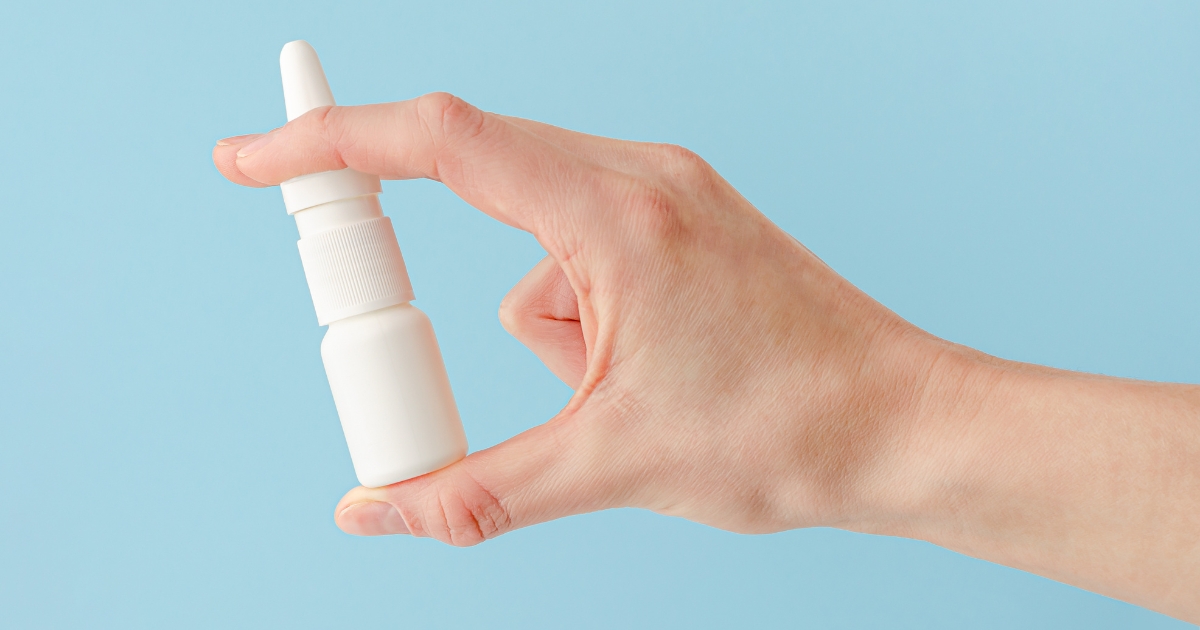
Naloxone nasal spray is the most common form carried by first responders and bystanders. It is prefilled, needle-free, and given while the person lies on their back. Follow the steps on the product label. In general:
- Lay the person on their back and support the back of their neck so the head tilts back.
- Hold the device with your thumb on the plunger and two fingers on either side of the nozzle.
- Insert the nozzle into one nostril until your fingers touch the bottom of the nose.
- Press the plunger firmly to give the full dose.
- Call 911 if no one has, and support the person’s breathing.
- If there is no response in 2 to 3 minutes, give a second dose with a new device in the other nostril.
Once breathing returns, roll the person onto their side into the recovery position and stay with them until help arrives.
Naloxone Injection Methods and Best Practices
Naloxone injection is widely used by EMS teams and in clinical settings. It comes in single-dose vials and prefilled auto-injectors. SAMHSA notes that injectable naloxone is the most affordable formulation and provides the standard dose used by EMS providers. Use proper sharps safety and dispose of needles in a sharps container.
Intramuscular Versus Intravenous Administration Routes
Intramuscular (IM): Inject into a large muscle, such as the outer thigh, upper arm, or buttock. IM injection is the standard field route because it does not require vascular access. Auto-injectors deliver the dose into the thigh automatically.
Intravenous (IV): IV naloxone allows precise, step-by-step dosing. Because it requires vascular access, it is used mainly by paramedics and hospital staff. Small, incremental IV doses help restore breathing while limiting abrupt withdrawal.
According to SAMHSA, there is no difference in effectiveness between nasal spray and intramuscular injection. Subcutaneous injection is another option when IM or IV access is not practical.
Recognizing Opioid Overdose Symptoms Requiring Immediate Intervention
It can be hard to tell whether someone is high or overdosing. The CDC’s overdose response guidance is simple: if you aren’t sure, treat it like an overdose.
Physical Signs That Demand Emergency Naloxone Use
- Unconsciousness or inability to wake up
- Slow, shallow, or stopped breathing
- Choking, gurgling, or snoring sounds from a person who cannot be awakened
- Small, constricted “pinpoint” pupils that don’t react to light
- Blue or purple lips and fingernails; on darker skin, a pale, grayish, or ashen tone
- A limp body and a pale, clammy face
If calling the person’s name doesn’t wake them, rub your knuckles on their upper lip or the center of their chest. If they still don’t respond, give emergency naloxone and call 911.
Post-Administration Care and Monitoring After Overdose Reversal
Naloxone overdose reversal is temporary. Naloxone works for 30 to 90 minutes before opioids can return to their receptors. Many opioids last longer than that, so overdose symptoms can come back.
After giving naloxone, stay with the person. Keep them in the recovery position, watch their breathing closely, and be ready to give another dose.
Managing Withdrawal Symptoms Following Treatment
In people who are physically dependent on opioids, naloxone can trigger sudden withdrawal. Symptoms can include body aches, sweating, nausea or vomiting, diarrhea, fast heart rate, runny nose, shivering, restlessness, and irritability. SAMHSA describes these symptoms as miserable but generally not life-threatening.
Stay calm and explain what happened. Withdrawal can make people want to leave or use again. Encourage them to accept medical care, and protect their airway if they vomit.
Transport and Hospital Protocols for Continued Care
Everyone who receives emergency naloxone should be evaluated by medical professionals, because overdose symptoms can return as naloxone wears off. If a person refuses care, SAMHSA advises staying with them for at least 4 hours after the last dose. Patients who have taken long-acting opioids may need longer observation and additional doses.
This is also a key moment to connect patients with treatment. SAMHSA identifies buprenorphine as an evidence-based, first-line treatment for opioid use disorder. The risk of a fatal overdose remains high even a year after a non-fatal overdose, which makes follow-up care essential.
Getting Professional Support at Visalia Recovery Center
Naloxone saves a life in the moment. Treatment helps rebuild it. An overdose is often a turning point, and the right support afterward can change what happens next.
Visalia Recovery Center is a DHCS-certified, locally owned treatment center with an in-house doctor on staff. Our opioid addiction treatment includes medically supervised detox, medication-assisted treatment, individual counseling, group therapy, and long-term aftercare. Levels of care include residential treatment, partial hospitalization (PHP), and an intensive outpatient program (IOP), along with family support for loved ones.
For free Narcan and administration training in the community, we recommend the Zachary Horton Foundation’s NARCAN NOW program.
Whether you survived an overdose, love someone who is struggling, or are a provider looking for a referral partner, our team is available 24/7. Contact our admissions team today to take the first step. If you are in crisis, call or text 988. In a medical emergency, call 911.

FAQs
-
How quickly does naloxone work as an opioid antagonist in overdose emergencies?
Naloxone can begin reversing an overdose within minutes. If the person isn’t breathing or responding after 2 to 3 minutes, give another dose and keep supporting their breathing. Continue dosing every 2 to 3 minutes until breathing returns.
-
Can naloxone nasal spray be administered through clothing or other barriers safely?
No. Naloxone nasal spray only works when the nozzle is placed directly inside the nostril. Intramuscular naloxone is different: it is injected into a large muscle, such as the outer thigh. Check the product’s labeling to confirm how and where each device can be used.
-
Why might multiple naloxone injections be necessary during severe opioid overdose reversal?
A second dose is appropriate when the person doesn’t start breathing within 2 to 3 minutes. Other sedating drugs, such as alcohol, benzodiazepines, or xylazine, can make an overdose seem to need more naloxone. However, SAMHSA reports that studies have not found extra doses improve outcomes in fentanyl overdoses, and giving a second dose too quickly can create the false impression that more was needed. Wait 2 to 3 minutes between doses and provide rescue breaths.
-
What withdrawal symptoms typically occur after naloxone administration reverses an overdose?
Common symptoms include body aches, sweating, nausea, vomiting, diarrhea, fast heart rate, runny nose, gooseflesh, shivering, anxiety, and irritability. These symptoms are uncomfortable but generally not life-threatening. Medical teams can offer treatment options, including buprenorphine, which may help relieve withdrawal.
-
How long should emergency naloxone effects be monitored before hospital transport?
Monitor the person continuously until EMS arrives, and never leave them alone. Because naloxone works for only 30 to 90 minutes, every person should be transported for medical evaluation. If someone declines care, stay with them for at least 4 hours after the last dose and make sure naloxone is on hand.
References
- U.S. Food and Drug Administration. Information about Naloxone and Nalmefene
- Centers for Disease Control and Prevention. What to Do If You Think Someone Is Overdosing
- Substance Abuse and Mental Health Services Administration. SAMHSA Overdose Prevention and Response Toolkit
- MedlinePlus, National Library of Medicine. How Naloxone Saves Lives in Opioid Overdose