



Authored By:
Hana Giambrone

Edited By:
Chase Mcquown
Clinically Reviewed By:
Catherine Spears, License# 141638

Medically Reviewed By:
Dr. Corey Jaques

Methadone Clinic Success: How Medication-Assisted Treatment Works for Opioid Recovery
Key Takeaways
- A methadone clinic is a federally certified opioid treatment program where patients receive methadone alongside counseling and medical oversight.
- Medication-assisted treatment (MAT) combines FDA-approved medication with therapy to treat opioid addiction as the chronic medical condition it is.
- Methadone is a long-acting opioid that eases withdrawal symptoms and cravings without producing the intense high of drugs like heroin.
- Research shows MAT keeps people in treatment longer and significantly lowers the risk of overdose death compared with no medication.
- Visalia Recovery Center offers evidence-based, whole-person care to help you build lasting addiction recovery.
Opioid use disorder is one of the most serious public health challenges of our time, and for many people, willpower alone is not enough to overcome it. A methadone clinic offers a proven, medically supervised path to recovery. This guide explains how a methadone clinic works, why medication-assisted treatment is so effective, and what to expect as you or a loved one begins the journey toward lasting recovery.
What Is a Methadone Clinic and How Does It Function?
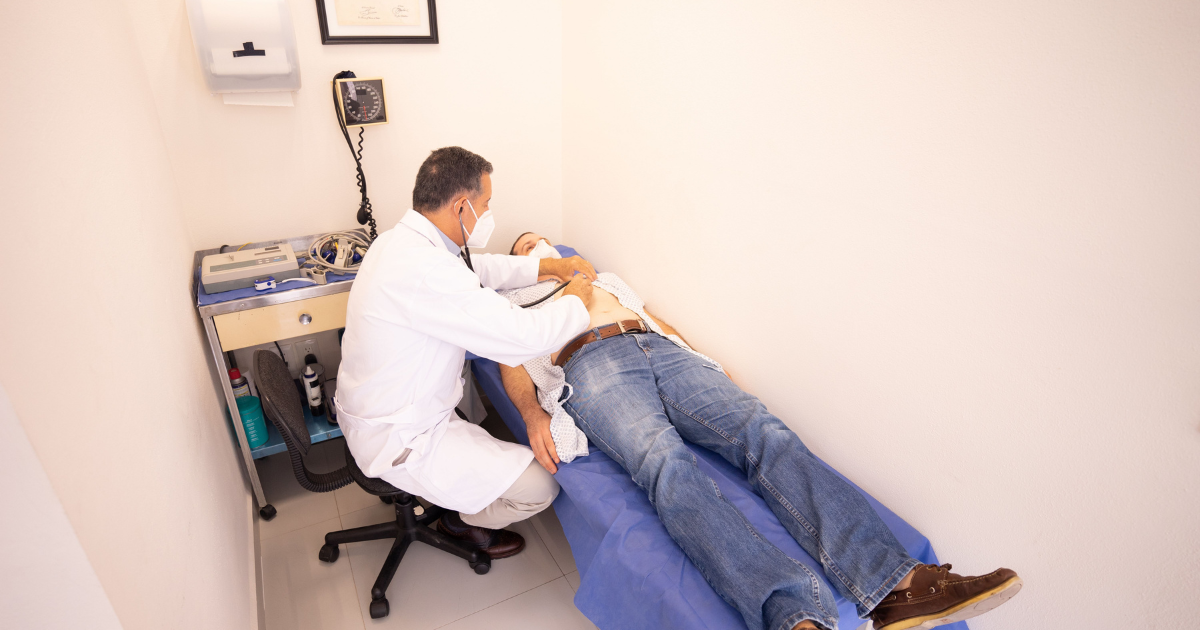
A methadone clinic is a specialized facility—formally known as an opioid treatment program (OTP)—that provides methadone treatment for people with opioid use disorder. These clinics are certified by the Substance Abuse and Mental Health Services Administration (SAMHSA), licensed by the state, and registered with the U.S. Drug Enforcement Administration, which means care is delivered under strict medical and regulatory oversight.
At a methadone clinic, patients receive a daily dose of methadone, usually as a liquid taken under supervision. Early in treatment, daily visits let the care team monitor progress and adjust the dose. As patients stabilize, many earn take-home doses, giving them more flexibility to rebuild work, family, and daily life.
The Role of Medication-Assisted Treatment in Opioid Recovery
Medication-assisted treatment is the use of FDA-approved medication combined with counseling and behavioral therapy to treat substance use disorders. This “whole-patient” approach addresses both the physical and psychological sides of opioid addiction. Medication stabilizes brain chemistry and controls cravings, while therapy helps patients work through the thoughts, behaviors, and life circumstances that fuel drug use. Neither piece works as well alone, which is why the combination is the standard of care.
Why Methadone Clinics Have Become Essential Treatment Centers
As the opioid crisis has deepened, methadone clinics have become essential to community health. Methadone has been used to treat opioid use disorder for more than 50 years, making it the most studied medication of its kind. Despite this track record, fewer than one in five people with opioid use disorder currently receive these life-saving medications. Methadone clinics help close that gap by making evidence-based substance abuse treatment structured and accessible.
Understanding Opioid Addiction and Its Impact on the Body
Opioids—including heroin, fentanyl, oxycodone, and morphine—bind to mu-opioid receptors in the brain, triggering a flood of dopamine and a powerful sense of relief and pleasure. With repeated use, the brain adapts: it produces less of its own feel-good chemicals and comes to depend on the drug simply to function normally.
This is what makes opioid addiction so hard to escape. Over time, tolerance builds, so a person needs more of the drug to feel any effect, and stopping triggers intense withdrawal symptoms. Opioid use disorder is now understood as a chronic, treatable medical condition—not a moral failing—and, like other chronic illnesses, it responds best to ongoing, evidence-based treatment. Beyond the brain, long-term opioid use can suppress breathing, disrupt hormones, and dramatically raise the risk of fatal overdose.
The Science Behind Medication-Assisted Treatment
Medication-assisted treatment works by targeting the same brain systems that opioids hijack—but in a controlled, therapeutic way. The medications used in MAT either activate opioid receptors slowly and steadily, partially activate them, or block them entirely. This stabilizes the patient, quiets cravings, and restores the brain’s ability to function without illicit drugs.
How Methadone Works to Reduce Cravings and Withdrawal Symptoms
Methadone is a long-acting full opioid agonist. It binds to and activates the same mu-opioid receptors as heroin and fentanyl, but it acts much more slowly and stays in the body far longer. At the right dose, this means methadone relieves withdrawal symptoms and cravings without producing the intense euphoria or dangerous highs of other opioids. Patients feel normal—not high and not sick—which frees them to focus on recovery, relationships, and rebuilding their lives. Because dosing must be carefully calibrated, it is always managed by the clinical team at the methadone clinic.

Comparing Treatment Options for Substance Abuse
There is no single right way to treat opioid use disorder, and the best plan depends on the individual. Still, decades of research point clearly toward medication-based approaches for most patients.
Methadone Versus Other Addiction Recovery Methods
Three FDA-approved medications treat opioid use disorder. Methadone is a full opioid agonist dispensed through certified clinics. Buprenorphine is a partial agonist that eases cravings with a lower overdose risk and can be prescribed in office settings. Naltrexone is an opioid blocker that prevents opioids from producing any effect at all. Each has strengths, and the right choice depends on a patient’s history, health, and goals. For people with severe opioid or heroin addiction, methadone treatment is often the most effective option because of its strength and long track record.
Why Medication-Assisted Treatment Outperforms Traditional Approaches
Abstinence-only or “detox-only” programs ask patients to stop opioids without medication support. While well-intentioned, these approaches carry high relapse rates, and relapse after detox is especially dangerous because reduced tolerance sharply raises overdose risk. By contrast, patients treated with methadone or buprenorphine are significantly less likely to die from overdose and far more likely to stay in treatment long enough to recover. This is why medication-assisted treatment is recognized as the gold standard for opioid use disorder.
Managing Withdrawal Symptoms During Treatment
One of the biggest fears people have about quitting opioids is withdrawal—and that fear is a major reason many keep using. Common withdrawal symptoms include muscle aches, nausea, sweating, anxiety, insomnia, agitation, and intense cravings.
A methadone clinic is designed to manage these symptoms safely. Because methadone occupies the same receptors as other opioids, a properly adjusted dose keeps most withdrawal symptoms from ever taking hold. The care team starts low and increases the dose gradually to keep patients comfortable while avoiding sedation. This medical support removes much of the physical suffering that derails recovery attempts, allowing patients to engage fully in counseling and the deeper work of long-term addiction recovery.
Building a Sustainable Path to Opioid Use Disorder Recovery at Visalia Recovery Center
Recovery is not just about stopping drug use—it is about rebuilding a stable, meaningful life. At Visalia Recovery Center, we combine medication-assisted treatment with counseling, peer support, and personalized care to treat the whole person, not just the addiction. Our team understands that opioid use disorder is a chronic condition, so we walk with patients for the long term and adjust care as needs change.
Whether you are exploring a methadone clinic for the first time or returning after a setback, help is available, and recovery is possible. If you or someone you love is struggling with opioid addiction, contact Visalia Recovery Center today to take the first step toward a healthier, drug-free future.
FAQs
-
How long does methadone treatment typically last for opioid use disorder recovery?
There is no one-size-fits-all timeline. Guidelines generally recommend a minimum of 12 months, and many people benefit from longer maintenance—sometimes years. Because opioid use disorder is a chronic condition, staying on methadone as long as it helps is a valid, evidence-based choice, and any decision to taper should be made together with your care team.
-
Can medication-assisted treatment at a methadone clinic prevent heroin relapse?
MAT significantly reduces the risk of relapse, though no treatment can guarantee it. By controlling cravings and blunting the euphoric effects of other opioids, methadone removes much of the drive to return to heroin. For someone with a long history of heroin addiction, this receptor-level stability can be the difference between recovery and relapse. Combined with counseling and ongoing support, medication-assisted treatment gives patients the strongest available protection against relapse.
-
What are common withdrawal symptoms when starting methadone for addiction recovery?
When dosing is handled correctly, methadone is meant to prevent withdrawal rather than cause it. Some patients notice mild effects early on as the dose is adjusted, such as sweating, constipation, or drowsiness. Stronger withdrawal symptoms usually signal that the dose needs to be raised, which the clinic will manage. Always report how you feel so the team can fine-tune your care.
-
How does methadone dosing work compared to other substance abuse treatment medications?
Methadone dosing starts low and increases slowly to reach a stable, effective level without oversedation. It is dispensed daily at a certified clinic, at least at first. Buprenorphine, by contrast, can often be prescribed for home use, and naltrexone is given as a monthly injection or a daily pill. The right medication and dosing plan depend on each patient’s needs.
-
Is medication-assisted treatment covered by insurance at methadone clinics?
In most cases, yes. Most private insurance plans, Medicaid, and Medicare provide some coverage for medication-assisted treatment, and federal law requires many plans to include substance abuse treatment benefits. Because specifics vary, it is best to contact the clinic or your insurer to confirm your coverage before starting care.
References
- Substance Abuse and Mental Health Services Administration. Methadone.
- National Institute on Drug Abuse. Medications for Opioid Use Disorder.
- National Institute on Drug Abuse. Opioids.
- Centers for Disease Control and Prevention. Medication-Assisted Treatment for Opioid Use Disorder.

