



Authored By:
Hana Giambrone

Edited By:
Chase Mcquown

Clinically Reviewed By:
Catherine Spears, License# 141638

Medically Reviewed By:
Dr. Corey Jaques

Pinpoint Pupils: Opioids, Sedatives, and Which Drugs Trigger This Dangerous Symptom
Key Takeaways
- Pinpoint pupils (miosis) signal nervous system suppression. Opioids like morphine, heroin, fentanyl, and oxycodone are the most common cause, constricting pupils within minutes and producing severe, unresponsive shrinkage during overdose.
- Other substances also trigger miosis. Benzodiazepines, clonidine, antipsychotics, cholinergic eye drops, and organophosphate pesticides can constrict pupils, especially when depressants are combined, raising overdose risk sharply.
- Recognize the emergency. Pinpoint pupils with slow breathing, unresponsiveness, or blue lips demand calling 911 immediately; naloxone can reverse an opioid overdose.
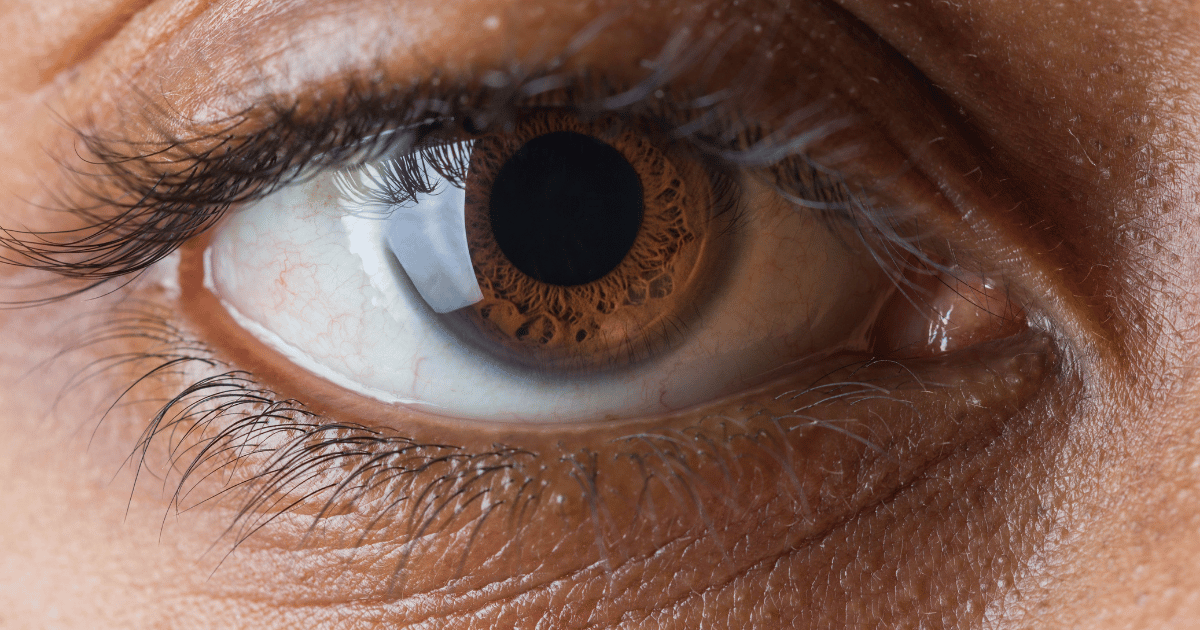
The human eye is a small but powerful window into what is happening inside the body. When something is wrong, the pupils are often the first to show it. One of the most alarming changes is when the pupils shrink to the size of a pinhead. This is called miosis, and it can be a sign that a person has taken certain drugs or is experiencing a medical crisis. Understanding what drugs cause pinpoint pupils can help people recognize danger, protect their loved ones, and make smarter choices about substance use and medication.
What Drugs Cause Pinpoint Pupils and Why It Matters
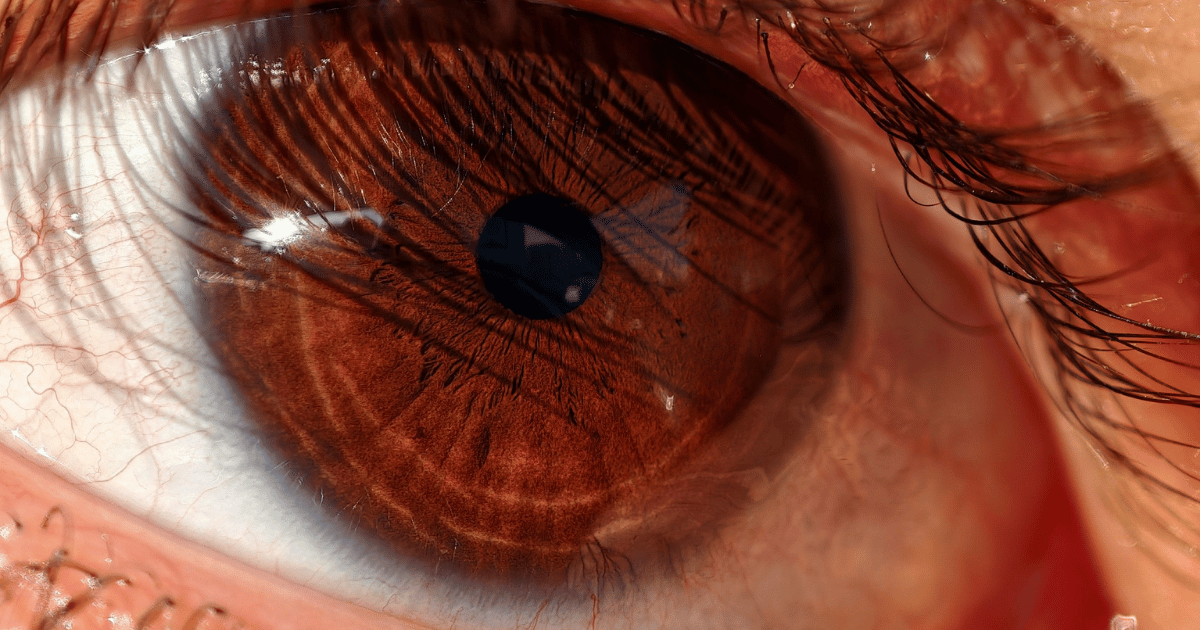
Knowing what drugs cause pinpoint pupils is not just medical knowledge. It is potentially life-saving knowledge. Pinpoint pupils, or miosis, happen when the muscles controlling the iris force the pupil to shrink far smaller than normal, even in dim lighting. A healthy pupil adjusts to light naturally. When it does not, something is interfering with the nervous system.
How Central Nervous System Depressants Affect Pupil Size
Central nervous system depressants are substances that slow down brain and nerve activity. The brain controls pupil size through a network of nerve signals. When central nervous system depressants enter the body, they suppress these signals and cause the muscles of the iris to contract unnaturally. The result is extremely small, fixed pupils that do not respond to changes in light. This is a direct sign that the brain and nervous system are being affected by the substance.
Opioids and Miosis: The Connection Between Pain Relievers and Pupil Constriction
Opioid effects on the body go far beyond pain relief. Opioids attach to receptors throughout the brain and spinal cord, including those that regulate the pupils. This attachment triggers pupil constriction almost immediately after use. Even therapeutic doses can cause noticeable pupil shrinkage, but in cases of misuse or overdose, the pupils become severely constricted and unresponsive.
Common Opioid Medications That Trigger This Response
Many opioids, both prescription and illicit, are known to cause miosis. Below is a quick reference table of common opioids and their pupil effects:
| Opioid | Type | Pupil Effect |
| Morphine | Prescription | Strong miosis |
| Heroin | Illicit | Severe pinpoint pupils |
| Oxycodone | Prescription | Moderate to strong miosis |
| Fentanyl | Prescription/Illicit | Rapid, severe constriction |
| Hydrocodone | Prescription | Moderate miosis |
| Methadone | Prescription | Noticeable pupil constriction |
| Codeine | Prescription | Mild to moderate miosis |
According to the National Institute on Drug Abuse, opioids are one of the leading causes of drug related emergency room visits in the United States, and pupil changes are among the most reliable physical signs of opioid use.
Why Opioid Overdose Produces Such Severe Pupil Constriction
During an opioid overdose, the nervous system becomes so suppressed that every automatic function slows or stops. Breathing becomes shallow. The heart rate drops. The pupils shrink to their smallest possible size and stop reacting to light entirely.
This extreme pupil constriction is one of the three classic overdose signs, alongside unconsciousness and slow breathing. It tells first responders and medical teams that opioids are likely involved and that naloxone may be needed immediately.
Benzodiazepines and Sedative-Induced Pupil Changes
Benzodiazepines are prescription medications used to treat anxiety, seizures, and sleep disorders. Common examples include Xanax, Valium, and Ativan. While benzodiazepines do not cause pupil constriction as dramatically as opioids, they can still lead to noticeable drug side effects involving the eyes.
When taken in high doses or combined with other depressants, benzodiazepines enhance the sedative effect on the nervous system, contributing to smaller pupils. The combination of opioids and benzodiazepines is especially dangerous and significantly raises overdose risk.
Other Medications and Substances That Cause Pinpoint Pupils
Beyond opioids and benzodiazepines, several other substances and medications can cause pupil constriction. It is important for caregivers, teachers, and family members to understand this broader picture.
Prescription Drugs Beyond Opioids and Benzodiazepines
The following types of medications are also known to cause miosis or contribute to pupil constriction:
- Clonidine is a blood pressure medication that acts on the same receptors as some opioids.
- Antipsychotics are certain psychiatric medications that affect nerve signaling.
- Cholinergic agents, used in eye drops or to treat glaucoma, directly tighten the iris muscles.
- Organophosphate pesticides are not medications, but toxic chemicals that cause severe miosis through nerve disruption.
- Some antihistamines, particularly older formulas, can cause miosis when taken in high doses.
MedlinePlus provides a reliable reference guide for understanding how different medications affect the body, including the eyes and nervous system.
Recognizing Pinpoint Pupils as a Medical Emergency
Pinpoint pupils on their own may not always mean overdose. But when combined with other symptoms, they are a serious medical warning. The pupils tell a story the person may not be able to tell themselves, especially if they are unconscious or unresponsive.
When Medication Symptoms Signal Overdose Risk
If someone shows pinpoint pupils alongside any of the following medication symptoms, call 911 immediately: unresponsiveness, extremely slow or stopped breathing, blue lips or fingertips, gurgling sounds, or a limp body. These signs together are a strong indicator of a life threatening opioid overdose or dangerous drug interaction. Do not wait. Do not try to handle it alone. Time is critical.
Treatment Options and Recovery at Visalia Recovery Center
If you or someone you love is struggling with opioid use, benzodiazepine dependence, or any substance that has caused scary symptoms like pinpoint pupils, help is available right now. Visalia Recovery Center offers compassionate, professional treatment designed to meet each person where they are.
The team understands how frightening it can be to ask for help, and they are ready to support you through every step of recovery. Reach out today and take the first step toward a healthier, safer life. Visit Visalia Recovery Center to learn more about programs, speak with a counselor, and begin your journey to lasting recovery.
FAQs
-
How quickly do pinpoint pupils appear after opioid ingestion or benzodiazepine use?
Opioids cause pupil constriction within minutes of entering the bloodstream. Benzodiazepines may take longer, depending on the dosage and formulation. Effects can appear as quickly as fifteen to thirty minutes after ingestion.
-
Can pinpoint pupils from medication use reverse without medical intervention?
Mild miosis from low doses may resolve as the drug wears off naturally. Severe opioid-related constriction often requires Naloxone to reverse quickly. Medical supervision is always recommended when overdose symptoms are present.
-
Are pinpoint pupils always a sign of overdose or drug toxicity?
No, certain prescription medications cause miosis at normal therapeutic doses. Eye drops and some blood pressure drugs can also produce this symptom. Context, history, and other symptoms must be evaluated carefully together.
-
Which central nervous system depressants besides opioids cause severe pupil constriction?
Benzodiazepines, clonidine, and organophosphate chemicals are well-known causes. Antipsychotic medications and certain glaucoma treatments also affect pupils. Combining multiple depressants significantly increases the risk of severe miosis.
-
How do healthcare providers differentiate pinpoint pupils caused by medication versus other conditions?
Providers review medication history, urine tests, and current drug exposure carefully. Neurological conditions like strokes can also cause pupil constriction similarly. Blood toxicology panels and physical exams help confirm the underlying cause.
References
- National Institute on Drug Abuse (NIDA). nida.nih.gov
- MedlinePlus. medlineplus.gov

