Authored By:
Raleigh Souther

Edited By:
Chase Mcquown

Medically Reviewed By:
Dr. Alejandro Alva
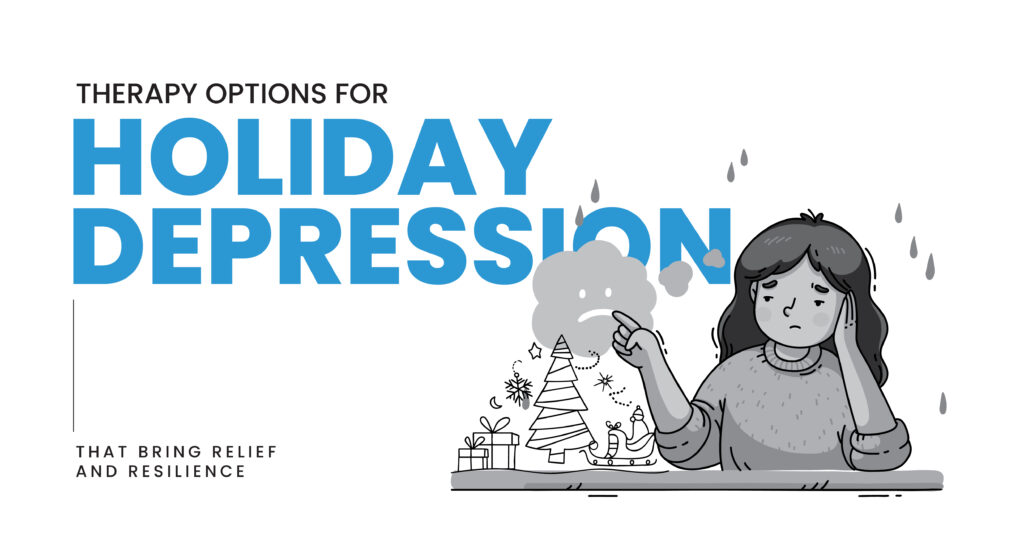
The holiday season is often seen as a time of warmth, reunion, and celebration. Yet, to many individuals, the emotional reality is otherwise. Sadness may be exacerbated by the need to be happy, financial struggles, family demands, the loss of memory, or even the gloom of winter. Research indicates that a large number of adults complain that they have experienced a depressive or anxious mood on holidays, and these conditions may worsen even more, unless support is provided.
In case the season causes more of a burden than a celebration, therapy can be grounding, clarifying, and curing. This resource will discuss various methods of therapy for depression during a vacation, effective methods, and counseling services that enable one to find comfort and strength throughout the most emotionally stressful season.
Understanding Holiday Depression and Its Emotional Weight
Common Causes and How the Festive Season Triggers Sadness
Many things may exacerbate depression in November and December. It is necessary to learn about the leading causes of deteriorating mental health during the holidays, which, by the way, are experienced by a lot of people.
The most frequent causes of worsening of holiday depression include:
- Gift-giving or travel financial pressure.
- Family or interpersonal conflict or tension.
- Isolating and not belonging to any other person.
- The stress of hosting, planning, or managing an event.
- Too many busy timetables, which give minimal room to rest.
- Drawing a comparison of your experience during holidays to others.
Seasonal Affective Disorder Treatment and Light Therapy
SAD depression is a form of depression that is affected by shorter days, cold weather, and the lack of sunlight. The symptoms of SAD usually reach their peak in winter since the holidays are at this period of the year. It is better to understand the biological relationship existing between decreased sunlight and mood before delving into light therapy, which is one of the most effective treatment options.
The following table gives a summary of how the brain changes with seasonal changes during winter:
| Winter Factor | Impact on Mood | Why It Matters |
| Reduced sunlight | Lowers serotonin | Increases sadness and irritability |
| Longer nights | Disrupts melatonin | Causes fatigue and sleep issues |
| Cold weather | Decreases outdoor activity | Reduces natural dopamine boosts |
| Social withdrawal | Increases isolation | Elevates symptoms of depression |
How Light Therapy Helps Boost Mood During Dark Winter Days
Light therapy mimics natural sunlight to assist in the regulation of mood, energy, and sleep. It is good to add before enumerating its advantages that in the case of a regular treatment, the light therapy can decrease the symptoms of SAD by 60-80 percent.
Light therapy has been shown to have the following benefits for holiday depression:
- Increased serotonin production for improved mood
- Better regulation of sleep-wake cycles
- More stable energy throughout the day
- Reduced emotional fatigue linked to dark winter days
- Improved concentration and focus
- A sense of routine and grounding during the holiday rush
Holiday Stress Counseling and Coping Strategies for Holiday Blues
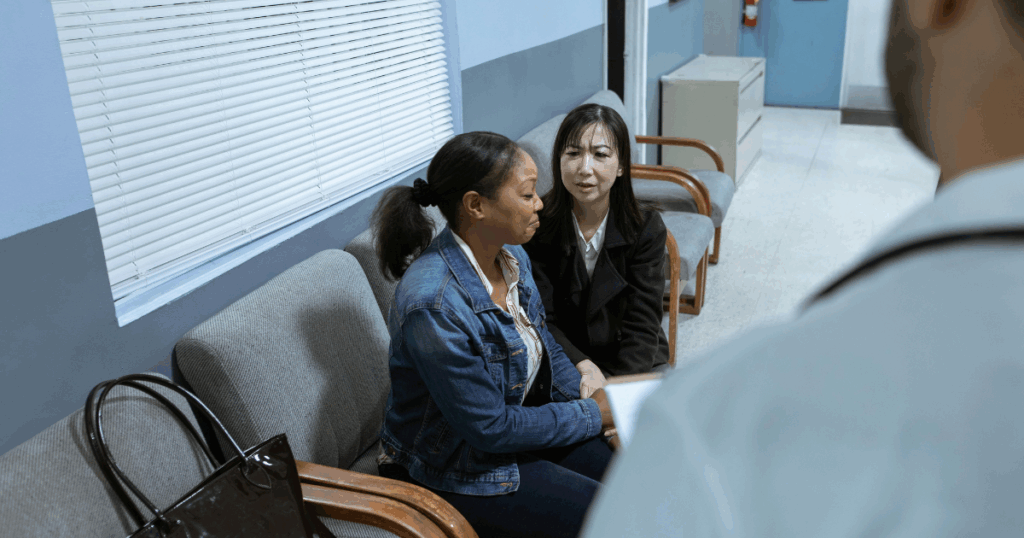
Counseling on holiday stresses would offer a supportive setting to discuss emotional stimuli, develop coping mechanisms, and lighten the seasonal psychological burden. The review of these strategies was preceded by the need to consider that stress counseling can enhance emotional strength by up to 40 percent, helping individuals manage holiday demands more effectively and clearly.
Building Emotional Resilience Through Guided Therapeutic Support
Psychotherapists employ organized and understanding methodologies to help people through holiday depression. However, to explore examples, it is first important to realize that therapy is not about getting rid of emotions, but rather acquiring the means to manage them.
Some of the coping mechanisms acquired in the holiday stress counseling are:
- Establishing proper boundaries with relatives and friends.
- Learning to communicate effectively to avoid a conflict situation.
- Developing grounding activities in times of intense situations.
- Relaxation techniques to relax the nervous system.
- Mindfulness training rather than self-blame.
- Anticipating burnout-preventive practices.
Cognitive Behavioral Therapy and Mindfulness for Depression
Among the most effective therapies against holiday depression, Cognitive Behavioral Therapy (CBT) aims at assisting a person in recognizing the unhealthy patterns of thinking and substituting them with healthier ones. Mindfulness is used in conjunction with CBT to achieve emotional stability, tranquility, and a sense of presence.
Reshaping Negative Thoughts and Staying Present During the Holidays
Holiday times may increase feelings of inadequacy, pressure, or emotional pain. It is also helpful to understand that CBT can minimize the symptoms of depression by a ratio of 50-70%.
Examples of how CBT and mindfulness help mental health during holidays are:
- Lessening the feeling of guilt because of unmet expectations.
- Breathing the body and sensing the body.
- Developing greater emotional control in times of stressful meetings.
- Assisting people to remain calm without panicking
Group Therapy and Teletherapy During the Holidays
Not all people are comfortable maneuvering through the emotions of a holiday by themselves. Group therapy establishes connectedness, mutual understanding, and confirmation, particularly in a season that tends to alienate individuals. Teletherapy is flexible due to traveling, busy individuals, or individuals who would like to receive help at home.
It is useful to know before delving into the subsequent benefits that group therapy minimizes feelings of isolation by up to 45 percent. In contrast, teletherapy does enhance access to treatment amidst the hectic holiday schedules.
The positive effects of group therapy and teletherapy are:
- Less loneliness due to association with other persons.
- A place where one can express oneself without judging.
- Flexible timing of holiday travels or commitments.
- Ability to get regular assistance even on hectic weeks.
- Peer coping strategies, such as coping with other peers facing comparable challenges.
- The reduced pressure and increased comfort of those who want to have distant sessions.
Healing, Relief, and Resilience With Visalia Recovery Center
Depression during the holiday can give the season a heavy load, but it can be cured through loving support. Before considering the services that Visalia Recovery Center provides, it is essential to acknowledge that nearly 60 percent of individuals seek additional emotional support during the holidays.
Visalia Recovery Center offers relief in the form of individual therapy, SAD symptoms and emotional fatigue management tools, CBT-based approaches to negative thinking re-shaping of negative thoughts, and various mindfulness and grounding, as well as emotional regulation skills.
To receive personalized support or schedule a session, visit Visalia Recovery Center.

FAQs
What are the most effective seasonal affective disorder treatments during the holidays?
Among the most effective treatments are light therapy, counseling, vitamin D supplementation, and outdoor activities. A combination of methods will likely result in improved regulation of mood in dark winter months.
How can holiday stress counseling help in developing coping strategies for holiday blues?
Counseling offers mechanisms to detect emotional triggers, create boundaries, and reframe expectations. It also provides a platform on which people can share their feelings and also know how to cope healthily.
Why is cognitive behavioral therapy recommended for managing holiday depression?
CBT assists a person in recognizing the negative influences that contribute to the exacerbation of depression and substitutes them with supportive and balanced thinking. This strategy proves to be useful, particularly when the person is on holiday and pressure and emotional stimuli are on the increase.
How does mindfulness for depression enhance well-being during festive seasons?
Mindfulness helps to focus on the present, and this reduces stress and emotional spiraling. It also helps in creating small, quiet, and significant moments in an otherwise hectic season.
What are the benefits of choosing teletherapy during the holidays for flexible mental health care?
Teletherapy enables individuals to receive support at home or on the go, ensuring consistency throughout a busy season. It is also a source of comfort, privacy, and accessibility to people who might not find face-to-face sessions easy.