



Authored By:
Hana Giambrone

Edited By:
Chase Mcquown

Clinically Reviewed By:
Catherine Spears, License# 141638

Medically Reviewed By:
Dr. Corey Jaques
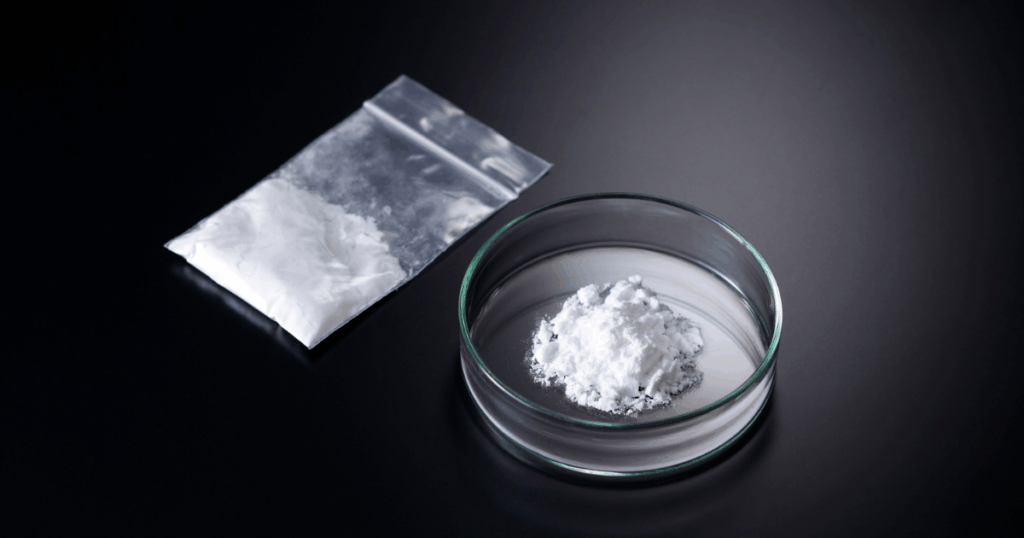
Understanding the duration methamphetamine (meth) remains detectable in your bloodstream is crucial for various reasons, from health considerations to passing a drug test. The exact timeframe meth can be found in your blood depends on several factors, including the frequency of meth use and individual health conditions.
Meth is a powerful and highly addictive stimulant that negatively affects your central nervous system and leads to many short-term and long-term side effects. In our guide, we will explain the average detection time of meth in your blood, as well as go over the factors that may influence this duration.
Methamphetamine Overview
Methamphetamine is a potent stimulant drug initially developed in the last century to treat nasal congestion and breathing problems. These days, meth is rarely prescribed even for medical reasons—its potent energizing effect made meth a popular illegal substance. It is often manufactured in makeshift labs and mixed with other dangerous drugs.
This drug looks like a translucent crystal you can swallow, inhale, smoke, or inject. Meth targets the reward system of the brain, giving the person who consumes it a brief euphoric feeling. However, even short-term meth use is associated with numerous adverse effects on a person’s physical and mental health.
Meth Blood Detection Time
On average, methamphetamine can be found in the blood for one or two days after it is consumed. Blood tests are considered to be a reliable method of meth detection—they will show the drug was used within the last 48 hours.
Be aware that meth remains in the system for a long time, even after it disappears from the blood. Thus, if you are concerned about passing a drug test, you should not limit the testing to blood only—for example, a urine test will reveal meth use four days after the drug was taken.
Factors Affecting Meth Detection
Here are a few variables that may change the duration of meth presence in the blood:
- Duration of Meth Use. If a person has been taking the drug for a long time, there is a higher chance of meth showing up during the blood test.
- Amount of Meth Consumed. A single instance of meth use may go unnoticed during the test, while prolonged drug abuse will be easier to detect.
- Individual Health Conditions. Every person is different—sometimes, the drug is metabolized and expelled from the bloodstream quickly. Besides, if you suffer from dehydration or have issues with your kidneys and liver, it will take longer to flush out the drug from your system.
Symptoms of Meth Use
If you suspect someone you care about may be using meth, look out for the following signs:
- Increased Anxiety. Your loved one may look agitated and nervous and complain about insomnia.
- Poor Physical Appearance. Drug abuse often leads to bad personal hygiene, weight loss, and skin problems.
- Behavioral Changes. Is the person who is usually full of energy and sociable suddenly avoiding their friends and staying at home? Changes in the person’s demeanor and lifestyle are often linked to drug consumption.

Dangers of Meth Consumption
Methamphetamine has numerous adverse effects on a person who uses this drug:
- Dental Problems. People who use meth are known for having extensive tooth decay and gum disease. The drug reduces the production of saliva and makes the user grind and clench their teeth.
- Mental Health Issues. While on meth, a person may suffer from confusion, paranoia, and hallucinations. In many cases, meth consumption leads to depression and suicidal thoughts.
- Brain Damage. Chronic meth use affects the brain structure—it may reduce cognitive abilities, damage the memory, and slow down the motor speed of the person.
Seek Help for Meth Addiction
Meth addiction can seem impossible to overcome, yet there is hope—whether you manage to help a loved one to quit meth or check into a rehabilitation facility yourself, you or your friend will be able to return to normal life without drugs.
There are several treatment options for meth addiction—a person may decide to attend therapy sessions to get to the root of the problem and figure out why they started taking the drug in the first place, enlist the support of their family and friends, and join a support group in their area to share their struggles with people who will understand them.
In case the addiction is severe, it is recommended to go to a specialized recovery center—the patient will be able to detox under medical supervision and benefit from the expertise of healthcare providers and therapists.
FAQs on Meth in Blood
What is methamphetamine?
Methamphetamine is a powerful stimulant drug that affects the nervous system of the person who consumes it, giving them a brief feeling of euphoria.
How long does meth stay in your blood?
It is estimated that meth remains in the blood for 1-2 days. If you have been using meth for a long time, this duration may increase.
What affects the duration of meth presence in the blood?
The duration of meth use, the quantity of the drug you have taken, and your unique health circumstances may accelerate or slow down the metabolism of the drug.
What are the signs of meth use?
The symptoms of meth consumption include anxiety, poor personal hygiene, weight loss, and changes in behavior.
What are the side effects of meth use?
Meth is harmful to your health—it may cause dental issues, mental health problems, and brain damage.
Reach Out to Visalia Recovery Center for Assistance
We hope that our guide was helpful—now that you know how long meth stays in the blood and what factors influence this duration, you will be able to take better care of your health and the well-being of your close ones. Remember that meth addiction, while serious, is a challenge you can conquer as long as you have a support system in place.
Are you looking for a rehabilitation facility for yourself or your friend? Visalia Recovery Center is here for you! Get in touch with us to learn more about our programs—outpatient therapy, residential treatment, family support, and aftercare—we will customize the treatment of the patient to address their unique needs.


