
Authored By:
Raleigh Souther

Edited By:
Chase Mcquown
Medically Reviewed By:
Dr. Alejandro Alva

Methamphetamine, commonly known as meth, is a powerful stimulant drug that affects the central nervous system. While many people are aware of the general dangers of meth use, such as addiction and brain damage, fewer people know about the specific damage meth can do to eye health and vision. Understanding the connection between meth use and vision changes is important for recognizing the early signs of meth abuse.
In our comprehensive guide, we will look at the short-term and long-term effects of meth use on eye appearance and eyesight, from dilated pupils to permanent blindness. We will also explain how to recognize the symptoms of meth abuse based on eye behavior and appearance and offer advice on getting professional help for meth addiction, either for yourself or for your loved one.
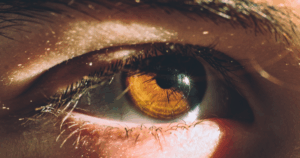
Short-Term Effects of Meth on Eyes
Even the short-term use of meth will negatively affect a person’s eyes and vision. Below are the temporary effects of meth on eye appearance and health:
1. Dilated Pupils
One of the common side effects of meth use is pupil dilation. Enlarged pupils combined with heightened sensitivity to light are the signs of meth intoxication.
2. Blurry Vision
Meth is a stimulant that increases brain activity as well as raises blood pressure. Changes in blood flow and heart rate can lead to vision distortion and blurriness.
3. Rapid Eye Movement
Unusual eye movement, also known as nystagmus, is often associated with drug use. People high on meth may also experience eye twitching and shaking.
Long-Term Consequences of Meth for Vision
Prolonged meth use can result in serious complications for a person’s vision, including the following issues:
1. Vision Loss
There are several documented cases of partial and complete vision loss in people addicted to meth. On rare occasions, meth users go blind due to a severe
lack of blood flow to the optic nerve.
2. Corneal Damage
Chronic meth use often leads to dry eye—a condition that occurs when the eyes do not produce enough tears. If a person with dry eyes does not get treatment,
They may scratch and damage the cornea.
3. Eye Infection
Meth users are at high risk of getting an eye infection. Poor hygiene, exposure to unsanitary environments, and neglected eye care may result in
a dangerous eye infection and even vision loss.

How to Recognize Symptoms of Meth Use in THE Eyes
Here are the most common signs of meth use you can spot in the eyes:
1. Redness and Swelling
Meth makes the blood vessels in the eyes constrict, which leads to eye redness. People who abuse meth may have bloodshot and puffy eyes.
2. Dark Circles Under the Eyes
Drug use is often accompanied by lack of sleep and malnutrition—the two factors that contribute to dark bags under the eyes.
3. Eye Behavior
Pay attention to how the person acts—are their eyes excessively watery? Are they blinking too much, or, on the contrary, are they not blinking at all
When the eye behavior seems strange, combined with other symptoms on the list, you may have a reason to be concerned.
Is It Possible to Treat Vision After Meth Use
The good news is that in most cases, the negative effects of meth on the eyes can be reversed. For instance, temporary vision loss is one of the side effects of meth addiction. Eyesight usually goes back to normal after a person stops using the drug.
There are many medications available to patients who struggle with their vision after meth abuse. You will need to visit an ophthalmologist who can explain your situation and get a personalized treatment plan from a professional.
How to Get Help for Meth Addiction
Methamphetamine is an addictive drug, and its long-term use leads to numerous physical and mental health problems. If you believe you or someone you love is using meth, reach out to a healthcare provider specialized in addiction treatment.
Be on the lookout for the symptoms of meth use in the eyes and the behavior of the person struggling with addiction. Spend time with your friend or family member, talk to them about your concerns, and offer them your support—sometimes a thoughtful conversation.
With a loved one is enough to convince a person to enter rehab.
FAQs
What Are Meth Mites?
Meth mites, or meth bugs, are a common hallucination that people high on meth have. A person imagines insects are crawling on or underneath their skin—this often leads to intense skin picking and subsequent skin damage.
Why Does Meth Make Your Eyes Red?
When a person takes meth, their blood vessels constrict, and the blood flow to the eyes is reduced. This makes the eyes look red and bloodshot. In addition, meth users often suffer from high blood pressure and dehydration—these factors contribute to eye redness.
Can You Go Blind From Using Meth?
It is possible to lose your vision due to meth use. While this is a rare occurrence, there have been cases of people going blind. After taking meth, this happens because the blood supply to the optic nerve is cut off.
How Can You Tell If Someone Is Using Meth?
There are several physical and behavioral symptoms of meth abuse you can notice. Meth users have dilated pupils, their appetite is reduced, and they may struggle to sleep—their sleep patterns will be irregular.
Is Meth Addiction Treatable?
Like most substance addictions, meth addiction can be successfully treated. Whether you manage to help your loved one quit meth on your own or if you admit them to a rehabilitation facility, they can recover from meth addiction with proper care.
Protect Your Vision and Your Health
The negative impact of meth use on eye health is undeniable—from short-term symptoms like pupil dilation to the long-term consequences of partial or complete blindness, meth puts a person’s vision in danger. If you have spotted the signs of meth. If you or a loved one is being abused, reach out to a healthcare provider and ask for help.
Our team at Visalia Recovery Center is ready to assist you with our personalized approach to every patient and experienced staff. We will be able to create a treatment plan that suits your needs. Call us to learn more about our services and start your journey toward recovery today