



Authored By:
Hana Giambrone

Edited By:
Chase Mcquown

Clinically Reviewed By:
Catherine Spears, License# 141638

Medically Reviewed By:
Dr. Corey Jaques
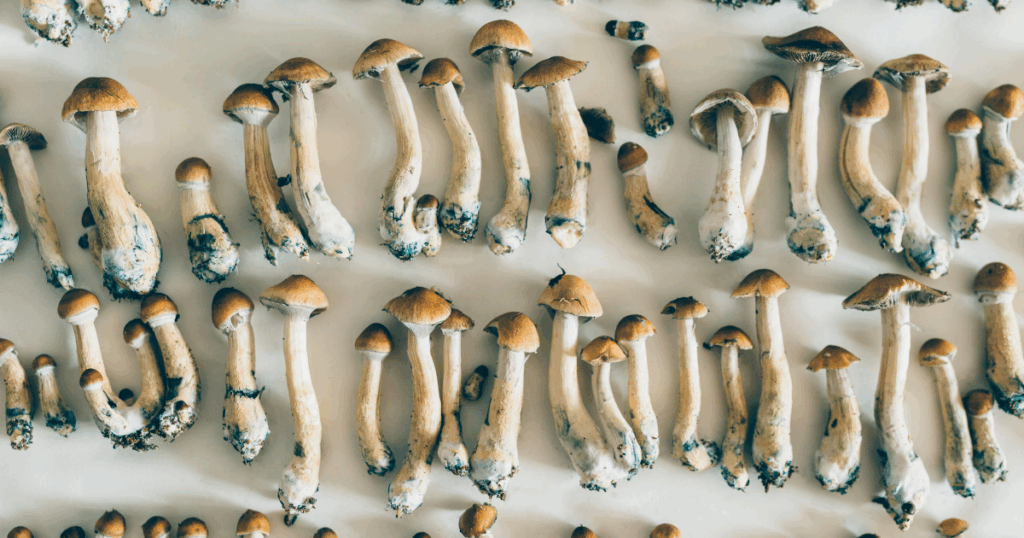
Hallucinogens have been part of human culture for centuries, primarily used for spiritual experiences, medical purposes, and recreational activities. While some people may benefit from exploring their consciousness with natural and man-made psychedelics, habitual hallucinogen consumption may lead to serious mental and physical health problems.
Understanding the dangers of hallucinogen addiction, recognizing the early symptoms of hallucinogen abuse, and finding professional help for hallucinogen addiction treatment are necessary steps to ensure the safety of your loved ones. In our guide, we take a closer look at the negative effects of hallucinogen addiction and offer effective solutions to this problem.
What Are Hallucinogens?
Hallucinogens are a diverse group of drugs that alter a person’s perception of reality. People under the influence of hallucinogens may see, hear, and feel things that do not exist. Commonly known as psychedelic drugs, hallucinogens are categorized into two groups: classic hallucinogens (LSD, psilocybin, DMT, etc.) and dissociative drugs (ketamine, PCP, nitrous oxide, etc.)
From ancient times, people have used natural hallucinogens to induce hallucinations and connect with deities. Nowadays, both natural and synthetic hallucinogens are used for recreation and a variety of medicinal purposes, such as chronic pain management and mental health treatment.
Why Do People Get Addicted to Hallucinogens
Hallucinogens are not considered to be highly addictive drugs, but it is possible to become addicted to hallucinogens. There are two types of hallucinogen addiction: physical addiction and psychological addiction, and each has different causes.
- Physical Addiction: Physical or chemical addiction occurs when a person develops a tolerance to a drug after consuming it and experiences withdrawal symptoms after stopping taking the drug. It is rare to get physically addicted to hallucinogens, but some dissociative drugs, such as ketamine and PCP, can be physically addictive.
- Psychological Addiction: Psychological addiction is a condition in which a person feels compelled to take a drug to function properly. Psychedelic drugs are praised for their ability to help people relax and boost creativity and mood—but these perceived benefits come at a price when a person becomes dependent on a drug to feel good.
What Are the Symptoms of Hallucinogen Addiction
It is important to be able to recognize the signs of hallucinogen addiction in yourself and the people you care about to prevent long-term drug abuse. Here are the most common symptoms of hallucinogen addiction:
Physical Symptoms
- Increased heart rate
- Nausea and vomiting
- Dizziness and lack of coordination
- Insomnia
Mental Symptoms
- Mood swings
- Anxiety and depression
- Poor concentration
If you have noticed several of these symptoms after you or your friend has taken hallucinogens, it is recommended that you reach out to a healthcare professional to get a diagnosis.
What Are the Dangers of Hallucinogen Addiction
On the one hand, short-term hallucinogen use comes with certain benefits—for instance, LSD is known for its analgesic properties and ability to reduce symptoms of depression. On the other hand, hallucinogen abuse has many negative consequences.
Panic attacks, memory problems, high blood pressure, and suicidal thoughts—these are just a few issues a person may experience after taking hallucinogens. In addition, a person who hallucinates may become a danger to themselves and the people around them, especially if they are behind the wheel or operating heavy machinery.
How to Treat Hallucinogen Addiction
There is no standardized approach to hallucinogen addiction treatment—a healthcare provider should design an individual treatment plan for the patient based on their unique circumstances. Here are a few treatment options to consider:
- Therapy: Therapy is the cornerstone of addiction treatment. A certified therapist will help the patient understand the reasons behind their addiction, cope with drug cravings, and manage their stress without relying on hallucinogens.
- Medical Treatment: If a patient was using hallucinogens to deal with chronic pain or mental health disorders such as depression and PTSD, a doctor may be able to prescribe alternative medications to address the physical and psychological symptoms the patient has.
- Support Groups: Patients who struggle with hallucinogen addiction can benefit from joining a support group. Sharing your experiences with people who go through the same challenges and building a network of supportive individuals will accelerate recovery.
Whether you or someone you love is struggling with hallucinogen addiction, remember that you can always reach out to professionals and get the help you need. Talk to a doctor about your addiction to hallucinogens and follow their guidelines to conquer this challenge.
Faqs
What are hallucinogens?
Hallucinogens are a type of drug that changes a person’s perception—a user may see and hear things that are not actually there. These drugs are also known as psychedelics.
Are hallucinogens addictive?
While hallucinogens are not considered to be highly addictive, it is still possible to get addicted to them, especially if you use them to “escape” reality and feel better.
How can you tell if someone is addicted to hallucinogens?
The symptoms of hallucinogen addiction are physical (rapid heartbeat, nausea, headaches) and mental (depression, anxiety, mood swings). If you have spotted these signs in someone who takes hallucinogens, help them see a doctor.
What are the risks of hallucinogen addiction?
Hallucinogen abuse may lead to numerous negative consequences for a person’s health and lifestyle—from agitation and confusion to accidents while driving under the influence.
How to treat hallucinogen addiction?
You should be able to design a treatment plan suitable for your or your loved one’s needs together with a healthcare provider. Therapy, medication, and support from your friends and family will help you overcome addiction.
Find Help for Hallucinogen Addiction at Visalia Recovery Center
We hope that our guide was useful and that you learned more about the dangers of hallucinogen addiction as well as the methods to treat this addiction. Are you looking for professionals who will help you or your family member who struggles with hallucinogen addiction? Get in touch with Visalia Recovery Center. Our team is here for you—we will craft a personalized treatment plan and support you on your journey to recovery.


