

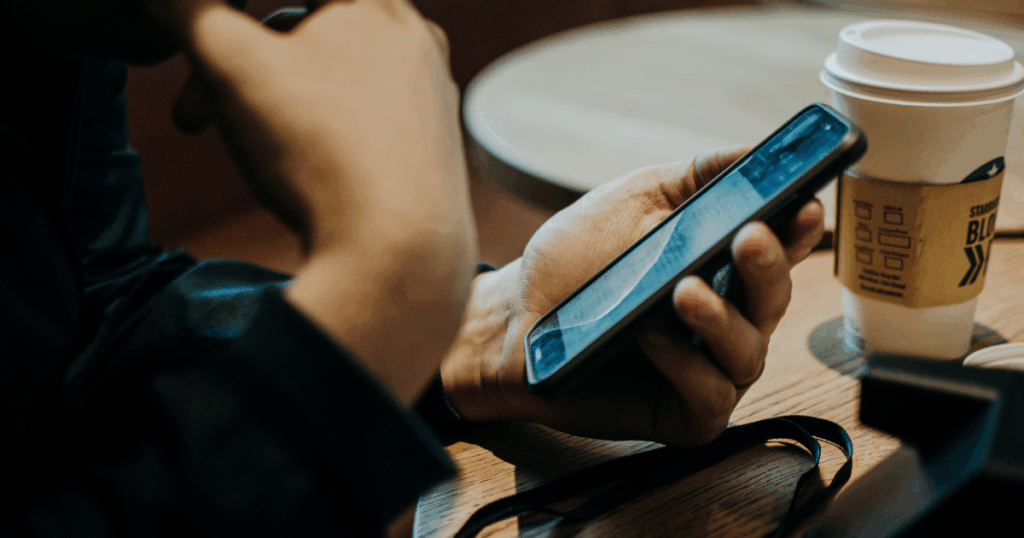
In today’s technologically-driven world, smartphones have become an integral part of our daily lives. We’re constantly checking our phones for messages, emails, social media updates, and news. But what happens when we suddenly stop using our phones? Just like any other addiction, excessive phone use can lead to withdrawal symptoms once the device is taken away. Understanding phone withdrawal symptoms is crucial for recognizing the problem and addressing it properly.
In this article, we will explore the most common phone withdrawal symptoms, the reasons behind this phenomenon, and the tips to deal with smartphone addiction. We will also explain the negative consequences of phone addiction for your mental and physical health. Keep reading to learn why taking a break from your phone might be beneficial in the long run.

Table of Contents
- Understanding Phone Withdrawal Symptoms
- Psychological Symptoms of Phone Withdrawal
- Physical Symptoms of Phone Withdrawal
- How to Deal With Phone Withdrawal Symptoms
- Negative Consequences of Phone Addiction
- Frequently Asked Questions
- Break Free From Phone Addiction
Understanding Phone Withdrawal Symptoms
Phone withdrawal symptoms are the physical, emotional, and behavioral symptoms a person may experience after reducing or stopping phone use. On average, Americans spend over 5 hours a day on their smartphones – from making calls to browsing the Internet. Our reliance on devices has increased dramatically over the last decade.
While phone addiction is not officially recognized as a medical condition, it shares many similarities with behavioral addictions (such as gambling addiction), including withdrawal symptoms after stopping the activity that the person is addicted to. If you have been using your phone a lot and feel unwell after putting it down, you may be experiencing phone withdrawal symptoms.
Psychological Symptoms of Phone Withdrawal
Here are the most common mental symptoms of phone withdrawal you may feel:
Anxiety
It is not unusual to feel nervous and uneasy when you do not have access to your phone – after all, we rely on smartphones to communicate with the world and store important information. You may be worried you are missing out on something important when your phone is not around.
Depression
In more severe cases, phone withdrawal may lead to short-term depression. If you feel down and sad after giving up your phone, remember that this is a temporary feeling – reach out to your friends and share your concerns with a mental health professional.
Restlessness
Are you feeling agitated without your phone? Many people struggle to concentrate and relax when their devices are not within reach. Engage in physical activity or meditation to calm your mind.
Physical Symptoms of Phone Withdrawal
Excessive phone use may affect your body as well. Here is what you may feel after you stop using the device:
Headache
Typically, people who are addicted to their phones sleep less, which leads to chronic migraines. Make sure you stay hydrated, get enough sleep, and have fresh air in your room to prevent headaches.
Insomnia
Strangely enough, reducing screen time may make it difficult to sleep. If you are used to falling asleep with your phone in hand, its absence may bother you. Create a bedtime routine that will help you relax before you go to bed – for instance, you may read a book or listen to music.
Increased Heart Rate
If you feel dizzy and lightheaded after you stop using the phone, it may be caused by a faster heart rate. Practice breathing exercises and lower your caffeine intake to feel better.

How to Deal With Phone Withdrawal Symptoms
Here is what you can do to mitigate and eventually eliminate phone withdrawal symptoms:
Reduce Phone Use Gradually
It may be harmful to your mental and physical well-being to go cold turkey. Instead of stopping phone use abruptly, cut down your screen time slowly. For instance, you may give up the applications you spend the most time on one by one.
Find Alternative Activities
There are plenty of things you can do without a phone! Go out with your friends, pick up a new hobby, join a sports team – it will occupy your mind and help you acquire new skills.
Get Support
Let your friends and family know you are struggling with phone addiction – they will be there for you when you need to talk to someone. In addition, you should talk to a therapist – a qualified professional will give you personalized advice and guidelines to follow.
Negative Consequences of Phone Addiction
Phone addiction may negatively affect various aspects of your life – here are a few reasons to be concerned about this behavioral addiction:
Poor Mental Health
Several studies have linked excessive smartphone use with anxiety and depression. It is especially dangerous for young people – for example, social media addiction may lead to low self-esteem.
Health Issues
From migraines to eyesight problems – there are multiple symptoms you may feel when you spend too much time on the phone. If you feel unwell and you cannot explain the reason for your discomfort, reflect on your phone use habits.
Lower Productivity
It is challenging to focus on work or studies when you are constantly on the phone. In case you have noticed your screen time is getting in the way of your responsibilities, it may be time to cut down on phone use.
Frequently Asked Questions
What are phone withdrawal symptoms?
Phone withdrawal symptoms are the physical and mental symptoms a person may feel after they stop using their phone or reduce their screen time.
What are the symptoms of phone withdrawal?
Some of the most common phone withdrawal symptoms include anxiety, headaches, depression, and insomnia.
Can you get withdrawal symptoms from not using your phone
Yes, similar to other addictions, phone addiction may lead to withdrawal symptoms when the phone is no longer available.
How do you treat phone withdrawal symptoms?
To deal with phone withdrawal symptoms, you should gradually reduce phone use, get involved in activities that do not require a smartphone, and reach out to a mental health professional for support.
Is phone addiction real?
While phone addiction is not officially recognized as a disorder, it shares many similarities with behavioral addictions and may hurt a person’s life.
Break Free From Phone Addiction
Whether you rely on your smartphone to stay in touch with your friends, have fun on social media, or even work online, it is important to be aware of the negative effects of excessive phone use. If you have noticed some of the withdrawal symptoms described above, it may be time to reduce screen time for your own well-being.