

Benzodiazepines, commonly known as “benzos,” are medications that are often prescribed to treat anxiety, insomnia, and other related conditions. While these medications can be effective, they are also known for being addictive. People who stop taking benzos may experience unpleasant withdrawal symptoms and struggle with both their physical and mental health.
If you or someone you love is going through this challenge, you may be searching for ways to alleviate the symptoms and return to a healthier and happier life. In our guide, you will find all the information you need to properly address benzo withdrawal and learn when it is necessary to reach out to healthcare professionals to get the assistance you need.

Table of Contents
- Understanding Benzo Withdrawal
- Symptoms of Benzo Withdrawal
- Why It Is Important to Treat Benzo Withdrawal
- Effective Strategies to Treat Benzo Withdrawal
- When to Seek Help for Benzo Withdrawal
- FAQ
- Support Your Recovery Journey
Understanding Benzo Withdrawal
Benzodiazepines are a class of drugs that are often used to deal with anxiety and sleep disorders—their sedative effect makes them an effective short-term solution to calm the patient and help them fall asleep. These drugs affect brain receptors—this is why, after a person develops an addiction to benzos and stops taking the drugs abruptly, their brain function is disrupted.
Benzo withdrawal occurs when a person who has taken benzodiazepines decides to quit the medication. The symptoms may range from mild to severe based on the duration of the drug abuse and the mental and physical condition of the individual. On average, the withdrawal starts within a few days after the last dose and lasts for several months.
Symptoms of Benzo Withdrawal
Here are the most common symptoms associated with benzo withdrawal:
- Anxiety. Paradoxically, a drug that is meant to treat anxiety may cause it when the person stops taking it. The individual may be restless and agitated and struggle with mood swings.
- Insomnia. It is possible you will have trouble sleeping without benzodiazepines. To address this issue, create a comfortable sleep environment, reduce your screen time before bed, and try meditation and breathing exercises to relax.
- Nausea. People who withdraw from benzos often have stomach issues accompanied by nausea and vomiting. Make sure you stay hydrated, eat small portions of food at a time, and ask a doctor to prescribe you medication to deal with nausea.
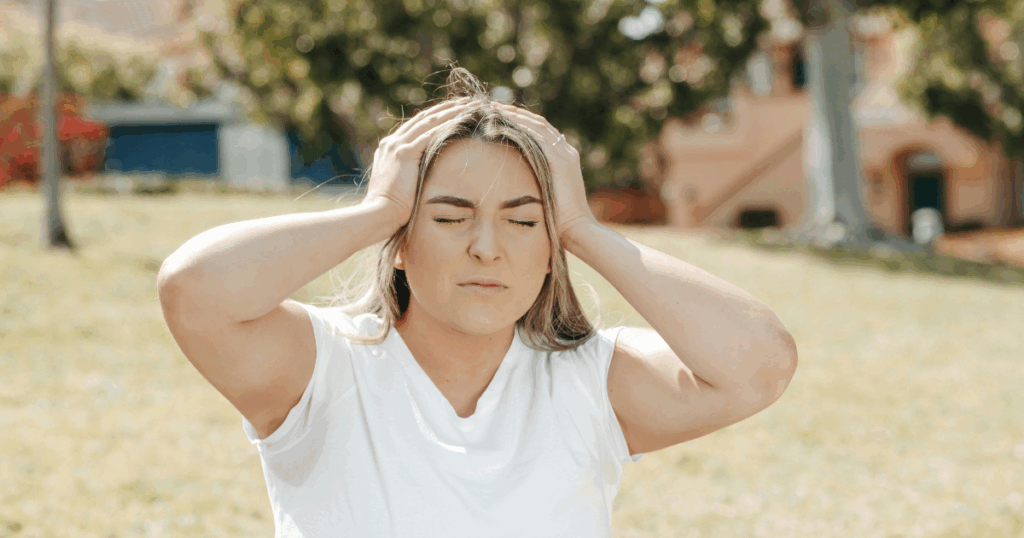
- Headache. There are many reasons why you may suffer from headaches during the withdrawal. Apply a cold or hot compress to your head, massage your temples, and take a painkiller to feel better.
Why It Is Important to Treat Benzo Withdrawal
It is crucial to be prepared for benzodiazepine withdrawal and address this issue to minimize its negative impact on the life of the individual. If the person who was taking benzos fails to quit them safely, they may suffer from long-term consequences that will persist for months and years.
In case benzo withdrawal is not treated, the person may have to deal with mental health issues such as depression, cognitive difficulties that will prevent them from focusing on their studies and work, and sleep problems that will affect their alertness and productivity. Moreover, there is always a risk of a person returning to their addiction if their withdrawal symptoms are not properly managed.

Effective Strategies to Treat Benzo Withdrawal
- Gradual reduction. Also known as tapering, this method involves the slow reduction of the drug instead of its sudden cessation. This way, you will be able to lower your dependence on the medication and avoid serious withdrawal symptoms.
- Get medical advice. Before you start withdrawing from benzos, it is recommended to talk to a doctor. A healthcare provider will be able to diagnose your condition, give you tips specific to your case, and prescribe alternative medications to help you cope with the withdrawal.
- Take care of your health. While certain withdrawal symptoms can be persistent, you can alleviate them with some lifestyle changes. Stick to a balanced diet, exercise regularly, and surround yourself with friends and family who can support you during this challenging time.
When to Seek Help for Benzo Withdrawal
There are many benefits to professional benzo withdrawal treatment:
- Personalized treatment. Experienced professionals will be able to design a treatment plan that works for you based on your unique circumstances.
- Various therapies. When you are no longer taking benzos, you can replace them with alternative therapies and medications suitable for your recovery.
- Support system. Mental health providers will be there to assist you during and after the withdrawal—you will have people in your corner advising you and cheering for your progress.
If you feel like you cannot cope with benzo withdrawal on your own, reach out to a mental health clinic and enlist the help of professionals.
FAQs
What Are Benzodiazepines?
Benzodiazepines are a type of medication that is typically used to treat anxiety, insomnia, and seizures. These drugs have a calming effect on the brain.
What Is Benzo Withdrawal?
Benzo withdrawal can be defined as a series of physical and psychological symptoms a person may experience after they stop taking benzodiazepines.
What Are the Symptoms of Benzo Withdrawal?
People who withdraw from benzos may suffer from anxiety, insomnia, nausea, and headaches. In some cases, the symptoms will be more severe—for instance, the person may have a seizure.
How Can I Treat Benzo Withdrawal?
It is advised to come up with a withdrawal plan together with a doctor. A healthcare provider will help you taper off the medication and suggest therapies and lifestyle changes that will assist your recovery.
Do I Need a Therapist to Help Me With Benzo Withdrawal?
While it is possible to deal with benzo withdrawal on your own, especially if you have only taken the drugs for a short time, it is recommended to go to therapy and get a personalized treatment plan from a professional.
Support Your Recovery Journey with visalia recovery center
We hope our guide was able to explain the dangers of benzo withdrawal and give you valuable advice to deal with this challenge. Whether you manage to cope on your own or decide to rely on professionals, quitting benzos is a major step in your recovery journey
If you are looking for mental health services, do not hesitate to get in touch with Visalia Recovery Center. The team of experts will be able to come up with a personalized treatment plan for you and support you on your path to recovery.