Authored By:
Raleigh Souther

Edited By:
Chase Mcquown
Medically Reviewed By:
Dr. Alejandro Alva
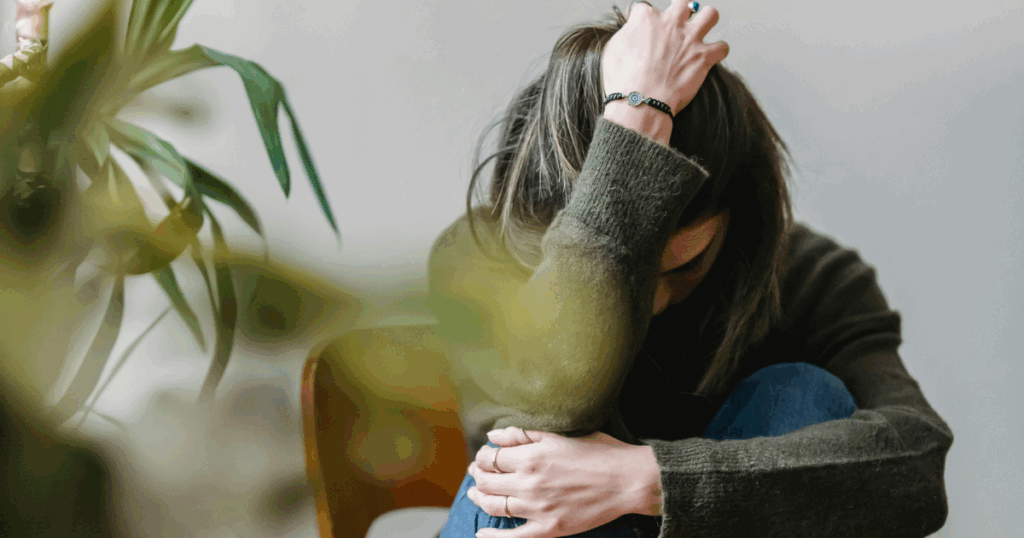
Alcohol withdrawal can be a challenging and uncomfortable process for anyone who decides to quit drinking. Whether you are giving up alcohol for good or taking a temporary break from booze, going through withdrawal symptoms is never fun. From nausea to irritability, alcohol withdrawal symptoms can negatively affect your physical and mental health.
Thankfully, there are many effective strategies you can try to manage alcohol withdrawal symptoms and feel better. In this blog, you will learn helpful tips to cope with alcohol withdrawal, understand what alcohol withdrawal is, and figure out when to seek professional treatment for alcohol addiction. Follow our advice to keep your sobriety journey on track.
Table of Contents
- What Is Alcohol Withdrawal
- Symptoms of Alcohol Withdrawal
- How to Cope With Alcohol Withdrawal
- When to Get Help For Alcohol Withdrawal
- FAQ
- Overcoming Alcohol Withdrawal
What Is Alcohol Withdrawal?
Alcohol withdrawal occurs when a person who is dependent on alcohol reduces their alcohol intake or quits drinking abruptly. The symptoms of alcohol withdrawal can range from mild to severe, depending on how long and how much a person has been drinking.
In some cases, alcohol withdrawal can be dangerous and even life-threatening: if a person develops a serious addiction to alcohol, they may need to undergo alcohol detox in a professional rehab facility under medical supervision.
Symptoms of Alcohol Withdrawal
The symptoms of alcohol withdrawal usually appear within 6 hours after the last drink and peak at the 72-hour mark. Most people stop experiencing alcohol withdrawal symptoms within a week. However, some symptoms may persist for several weeks or months.
Here are a few common symptoms of alcohol withdrawal you may have to deal with when you quit drinking:
● Headaches
● Nausea and vomiting
● Loss of appetite
● Tremors
● Sweating
● Insomnia
● Anxiety and depression
● Mood swings
● Irritability
How to Cope With Alcohol Withdrawal
While dealing with alcohol withdrawal symptoms can be unpleasant, there are many things you can do to minimize the discomfort and support your body and mind during this difficult time.
● Stay Hydrated
Drinking plenty of water is vital for your recovery. On top of that, you can try consuming beverages rich in electrolytes (for example, sports drinks) to replenish your body.
● Eat a Balanced Diet
Proper nutrition can speed up the healing process and help you feel better. Even if you do not have much of an appetite, stick to regular meals and consume foods from all food groups: protein, fat, and carbohydrates.
● Practice Self-Care
Give yourself time to rest and recover. Do not engage in strenuous physical activity, take time off work if you need to, and prioritize your mental health.
● Reach Out For Support
You do not have to go through withdrawal on your own. Let your friends and family know you are struggling with withdrawal symptoms and enlist their help. You can also visit a therapist or a doctor to get professional assistance.
When to Get Help For Alcohol Withdrawal
It is recommended to consult a health provider before you quit drinking—a doctor will be able to advise you and warn you about the challenges of alcohol withdrawal. If you have already stopped drinking and started to notice the symptoms of withdrawal, pay attention to your body and visit a rehab center for alcohol addiction treatment.
In a rehabilitation facility, you will be able to detox from alcohol in a safe environment under the supervision of medical professionals. Doctors and therapists will design an individual treatment plan for you, prescribe medication to help you manage the withdrawal symptoms, and prepare you for a sober lifestyle after you are done with the treatment.
FAQs
What is alcohol withdrawal?
Alcohol withdrawal is a set of symptoms that develops when a person who is addicted to alcohol reduces their alcohol consumption or quits drinking abruptly.
What are the symptoms of alcohol withdrawal?
Symptoms of alcohol withdrawal include headaches, nausea, tremors, insomnia, anxiety, and irritability.
How long do alcohol withdrawal symptoms last?
On average, alcohol withdrawal symptoms last for 5-7 days; however, some symptoms may persist for a few weeks.
How can I manage alcohol withdrawal at home?
You can cope with alcohol withdrawal at home by staying hydrated, eating properly, resting, and reaching out to your friends and family for support.
Do I need to go to rehab for alcohol withdrawal?
It is recommended to seek medical help to deal with alcohol withdrawal. Bring your concerns to the doctor and visit a rehab center to get the treatment you need.
Overcoming Alcohol Withdrawal
We hope that our guidelines will help you cope with alcohol withdrawal and embark on your recovery journey. While dealing with withdrawal symptoms may be difficult, you can manage this challenge on your own or with professional assistance.
If you or your loved one is struggling with alcohol addiction, get in touch with Visalia Recovery Center. Our team is ready to create a personalized treatment plan for you and support you on your path to sobriety.