
Authored By:
Raleigh Souther

Edited By:
Chase Mcquown

Medically Reviewed By:
Dr. Alejandro Alva
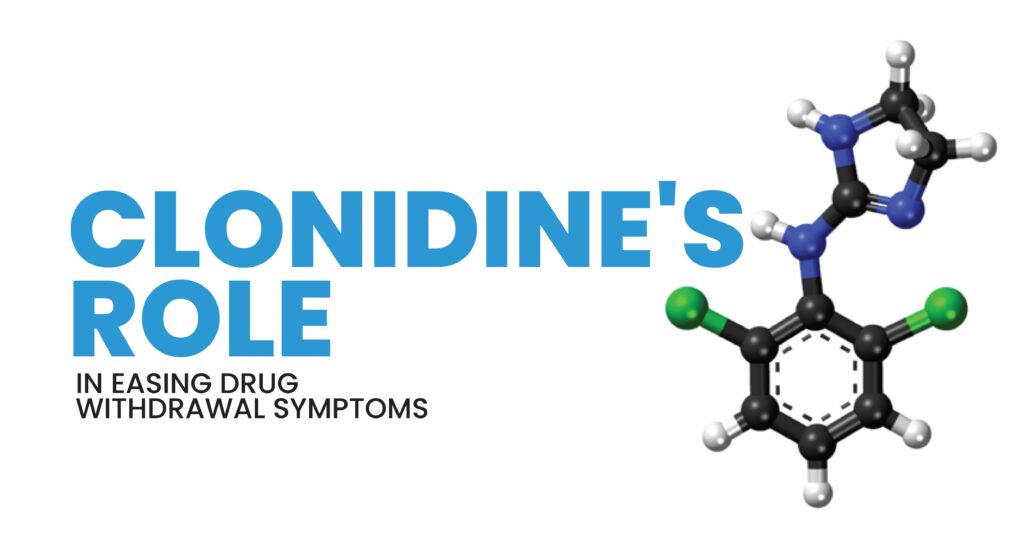
Clonidine is often prescribed to help reduce the intensity of withdrawal symptoms in individuals recovering from drug dependence. By targeting the nervous system, it eases anxiety, agitation, sweating, and muscle aches. Its calming effect helps patients feel more stable while their bodies adjust to the absence of substances.
Unlike some other medications, clonidine does not create a risk of addiction, making it a safer option for long-term use during recovery. It works best when combined with counseling, therapy, and other supportive treatments. This comprehensive approach allows individuals to manage withdrawal more comfortably and increases their chances of successful recovery.
How Clonidine Assists in Drug Withdrawal
Clonidine is a non-opioid medication originally used for high blood pressure. Today, it plays an important role in addiction recovery.
When people stop using drugs like opioids, they may face intense withdrawal symptoms. Clonidine helps by calming the body. It reduces discomfort like sweating, shaking, and rapid heart rate.
This makes the detoxification process safer and less overwhelming. For many, clonidine provides the first step toward freedom from addiction.
The Science Behind Clonidine’s Efficacy in Alleviating Withdrawal Symptoms
Clonidine works by stimulating alpha-2 adrenergic receptors in the brain, which reduces the release of norepinephrine, a stress-related chemical. This action calms the overactive nervous system during withdrawal. By lowering blood pressure and heart rate, clonidine helps ease physical discomfort and promotes a sense of balance in the body.
Research shows clonidine effectively minimizes symptoms such as anxiety, restlessness, sweating, and muscle pain, which are common during drug withdrawal. Its non-addictive nature makes it a reliable choice compared to other medications. When used under medical supervision, clonidine enhances comfort, supporting patients in completing withdrawal and moving toward long-term recovery.
Effects on the Central Nervous System
Clonidine directly influences the central nervous system by reducing overactivity that often occurs during withdrawal. It lowers the release of stress hormones, helping to calm heightened responses like anxiety, irritability, and restlessness. This soothing effect on the brain and nerves provides stability, making the withdrawal process more manageable.
Reducing Anxiety and Physical Discomfort
Clonidine plays a vital role in easing both the mental and physical challenges of withdrawal. By calming heightened nervous system activity, it reduces anxiety and restlessness while promoting relaxation. This balance gives patients a sense of control, making it easier to cope with the discomfort that often accompanies recovery.
In addition to easing emotional strain, clonidine supports the body by alleviating common withdrawal symptoms. It helps regulate stress responses, lowering tension and irritability. This dual action on both mind and body creates a more manageable recovery experience, giving patients the strength to continue treatment and reduce the likelihood of relapse.

Comparison of Clonidine With Other Withdrawal Medications
Several medications support withdrawal, but clonidine stands out. Unlike opioids such as methadone or buprenorphine, clonidine is not addictive.
Here is a simple comparison:
| Medication | Type | Addiction Risk | Best Use Case |
| Clonidine | Non-opioid | None | Symptom management, anxiety, and insomnia |
| Methadone | Opioid-based | Moderate | Long-term maintenance |
| Buprenorphine | Partial opioid | Low | Tapering off opioids |
| Naltrexone | Opioid blocker | None | Preventing relapse |
Clonidine does not replace these medications. Instead, it offers another safe option for symptom management.
Potential Side Effects and Considerations When Using Clonidine
While clonidine is effective for managing withdrawal symptoms, it can cause side effects that vary from person to person. Common issues include drowsiness, dry mouth, low blood pressure, and dizziness. These effects are usually mild, but patients should be cautious when engaging in activities that require focus, such as driving.
Medical supervision is essential when using clonidine during withdrawal. Abruptly stopping the medication may lead to rebound hypertension or worsening symptoms. Doctors typically adjust doses gradually to minimize risks. Discussing personal health conditions, other medications, and potential interactions ensures clonidine is used safely and effectively throughout the recovery process.
The Role of Clonidine in Opioid Withdrawal Management
Clonidine is widely used to ease the difficult symptoms associated with opioid withdrawal. It reduces overactivity in the nervous system, calming responses such as agitation, sweating, and rapid heartbeat. This helps patients cope with the initial withdrawal phase, which is often the most challenging part of recovery.
Unlike opioids or replacement therapies, clonidine is non-addictive, making it a safer alternative for many individuals. It provides relief without creating dependence, allowing patients to progress through withdrawal with fewer complications. By addressing both physical and emotional discomfort, clonidine supports the body’s natural adjustment to life without opioids.
Clonidine works best when integrated into a comprehensive treatment plan that includes therapy, counseling, and lifestyle support. While it does not eliminate cravings, it reduces the severity of withdrawal symptoms, making recovery more manageable. With proper guidance, clonidine enhances treatment outcomes and supports long-term success in overcoming opioid addiction.
Recent Studies and Findings on Clonidine’s Effectiveness
Research supports clonidine as an effective non-opioid alternative for withdrawal. Studies show it eases stress responses during detox.
Several trials confirm that clonidine reduces relapse risk. Patients using clonidine are more likely to finish detox programs.
Experts continue to explore clonidine’s role in addiction recovery. It is often recommended when other treatments are not suitable.
Find Healing and Hope With Visalia Recovery Center’s Clonidine Support
At Visalia Recovery Center, we provide safe and compassionate care for those facing withdrawal. Our team understands how painful the process can feel. We offer clonidine for drug withdrawal as part of personalized treatment plans.
Each plan combines medical support, therapy, and long-term guidance. Our approach makes recovery safer and more effective. With the right care, patients can move forward with strength and hope. You don’t have to face withdrawal alone.
Contact Visalia Recovery Center today for trusted guidance and support.

FAQs
How does Clonidine help manage opioid withdrawal symptoms effectively?
Clonidine calms the nervous system during withdrawal. It lowers blood pressure, reduces sweating, and improves sleep. These effects ease symptoms significantly. When combined with supportive care, clonidine enhances overall comfort during the withdrawal phase.
What makes Clonidine a preferred non-opioid alternative for addiction recovery?
Clonidine is non-addictive and safe. It reduces anxiety, pain, and restlessness. Patients benefit from symptom relief without the risk of dependence. This makes clonidine an effective aid for those seeking long-term recovery.
How does Clonidine compare to other medications in the detoxification process?
Clonidine is non-opioid, unlike methadone or buprenorphine. It focuses on symptom relief. Other medications manage cravings but carry dependence risks. Clonidine is often chosen for patients who want to avoid replacement therapies.
Are there potential side effects when using Clonidine for medication-assisted treatment in drug withdrawal?
Yes, side effects can occur. These may include drowsiness, dry mouth, and low blood pressure. Doctors monitor patients to ensure safety. Regular check-ups help maintain safe and effective treatment with clonidine.
Can Clonidine be used safely when tapering off opioids during withdrawal management?
Yes, clonidine supports tapering off opioids safely. It reduces physical discomfort and emotional distress. Medical supervision ensures a smooth and safe process. It allows patients to adjust at a manageable pace while staying supported.