


Since the debut of the groundbreaking TV show Breaking Bad, the term “blue meth” has become widely known. This fictional drug cooked by Walter White was famous for its unique blue color and exceptional purity. But in reality, methamphetamine may occasionally have an unnatural bluish tint—and it is no longer a fictional problem but a real danger.
Our addiction experts explain when meth is blue, what this color means, and what side effects you or your loved ones may expect after using this drug. We are here to provide you with facts about blue methamphetamine and offer you ways to find professional help and treatment for meth addiction.
What Is Blue Methamphetamine?
Methamphetamine is a powerful stimulant that affects the central nervous system of the user. It is an illegal drug, although a very limited legal version of methamphetamine exists and can be prescribed to patients with attention-deficit hyperactivity disorder (ADHD); this medication is rarely used due to the harm it may cause.
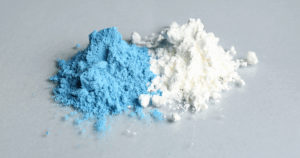
In most cases, methamphetamine looks like crystalline powder or rocks that may be opaque or translucent and have no color. Drug manufacturers and dealers may add various chemicals and dyes to meth to give it a specific appearance—for instance, it may have a blue color because of the additives used during its production.
Why Is Meth Blue
There are several reasons why meth may have a blue color:
- Copper sulfate. This blue chemical may be added to the drug during its manufacturing to give it a distinct tint.
- Blue dye. Drug dealers may target specific customers—for example, fans of the TV show Breaking Bad, associating meth of this color with higher purity and strength.
- Adulterants. Meth sold on the street often contains various additives and impurities that are not supposed to be there—while the users may think they are purchasing pure meth, in reality, the drug is diluted with other substances.
Dangers of Blue Meth
When you are consuming a drug that contains unknown additives, you are putting your health at risk. Here are a few side effects of blue meth you may experience:
- Increased heart rate
- High blood pressure
- Nausea and vomiting
- Confusion
- Agitation
- Hallucinations
- Psychosis
If you or a person you care about has used blue meth and now presents any of the symptoms listed above, it is crucial to reach out to a healthcare provider who will be able to diagnose the problem and offer suitable treatment.
Signs of Meth Addiction
It is important to be able to recognize meth use and intervene when a person develops an addiction to this drug. Pay attention to the following symptoms:
- Tooth decay (also known as “meth mouth”)
- Skin sores
- Weight loss
- Insomnia
- Depression
- Anxiety
- Paranoia
Long-term meth addiction may lead to brain damage and be fatal, so do not hesitate to talk to the meth user about your concerns and reach out to an addiction specialist to enlist professional support.
Treatment for Meth Addiction
While meth addiction can seem overwhelming, you can solve this problem with proper treatment and support. At our facility, we offer a personalized approach to every patient struggling with meth addiction:
- Drug detoxification. The first step on the recovery journey is the cessation of drug use accompanied by withdrawal symptoms. Our medical professionals will supervise the detox of the patient to make sure they are safe and comfortable.
- Therapy. It is vital to understand the reasons behind drug addiction—our therapists will work together with the patient to identify the triggers of drug use and resolve co-occurring mental health issues.
- Aftercare. The recovery does not stop once the patient leaves the rehab. Our specialists will remain in touch with the patient to provide them with the necessary resources and support on their sober journey.

FAQs About Blue Meth
What does “blue meth” mean?
Blue meth is a fictional drug from the TV series Breaking Bad. In real life, meth may have a blue color because of the dyes and chemicals added to its composition.
What color is meth supposed to be?
In general, meth has no color—it is a white crystalline substance. However, nowadays meth may have different colors since drug manufacturers add various dyes to it.
Is blue meth stronger?
The color of the drug does not determine its purity or potency. If the drug has an unusual color, it may mean it contains dangerous additives.
What are the side effects of blue meth?
The use of blue meth may lead to numerous adverse effects—increased heart rate, high blood pressure, agitation, confusion, hallucinations, and psychosis, to name a few.
How to help a person addicted to meth?
If your loved one is addicted to meth, talk to them to express your concern and contact an addiction specialist who will be able to diagnose the issue and develop a treatment plan tailored to the needs of the individual.
Get Help With Meth Addiction
The distinctive color of the drug may seem unimportant, yet consuming blue methamphetamine may lead to devastating consequences for a person’s health. Make sure never to use this drug and remain alert for the signs of meth addiction, either in yourself or your loved ones.
Our team of professionals is here to assist you—contact Visalia Recovery Center, share your concerns, and schedule a visit to our facility to start the journey toward recovery.