Authored By:
Raleigh Souther

Edited By:
Chase Mcquown
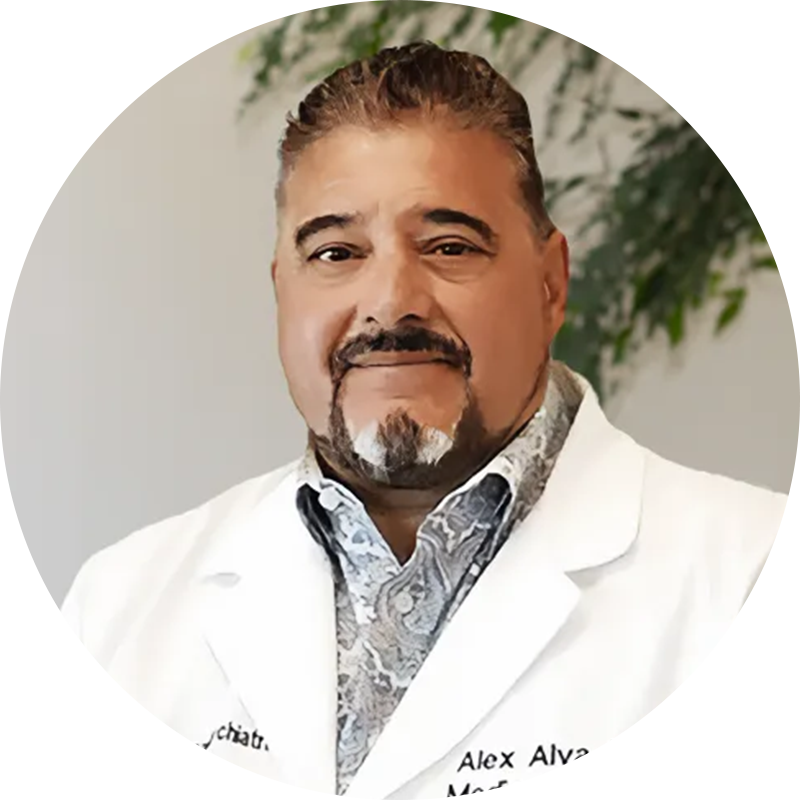
Medically Reviewed By:
Dr. Alejandro Alva
Eye twitching is a common yet overlooked symptom that may appear during alcohol withdrawal. It occurs when the nervous system becomes overstimulated as the body adjusts to the absence of alcohol. This involuntary muscle movement can be mild or persistent, often worsening with stress, fatigue, or poor sleep quality.
For many individuals, eye twitching signals the body’s struggle to regain balance after prolonged alcohol use. While not dangerous on its own, it can be uncomfortable and distressing. Managing stress, staying hydrated, and getting adequate rest can help reduce twitching, but medical support may be necessary for severe or prolonged cases.
Causes of Eye Twitching in Alcohol Withdrawal
Eye twitching can happen when the body adjusts after alcohol use ends. During withdrawal, the nervous system becomes overactive. This overactivity causes involuntary muscle spasms, including eyelid twitching.
Other causes of muscle twitching may also play a role. Fatigue, stress, and poor nutrition worsen twitching during detox. Alcohol withdrawal effects amplify these triggers, making symptoms more noticeable.
Knowing the underlying causes helps patients prepare for recovery. With medical guidance, these issues can be managed safely.
How Alcohol Affects the Nervous System
Alcohol directly impacts the central nervous system by altering brain chemistry and slowing down communication between neurons. Initially, this creates feelings of relaxation and lowered inhibitions. Over time, however, heavy drinking disrupts neurotransmitter function, leading to dependence, memory issues, and impaired decision-making abilities.
Chronic alcohol use also damages nerve pathways, which can cause tremors, numbness, and muscle spasms. During withdrawal, the nervous system becomes hyperactive, producing symptoms such as anxiety, insomnia, and twitching. Understanding these effects highlights why medical supervision is often necessary when reducing or stopping alcohol consumption.
Disruption of Brain Signaling Pathways
Alcohol alters neurotransmitters, the chemicals responsible for communication between brain cells. During withdrawal, these signals fire too quickly. This disruption creates anxiety, tremors, and involuntary movements. Eye twitching often results from overstimulated brain signals.
Impact on Muscle Control and Function
The nervous system controls muscle activity. When alcohol interrupts this balance, muscle movements become irregular. This includes eyelid spasms and other involuntary twitches. These neurological effects of alcohol make recovery uncomfortable but explainable.
Link Between Alcohol Withdrawal and Muscle Twitching
Muscle twitching is a common symptom that many individuals experience during alcohol withdrawal. As alcohol leaves the body, the nervous system becomes overstimulated, leading to involuntary muscle contractions. These twitches may occur in the eyes, arms, legs, or other areas, often causing discomfort and raising concern for those in recovery.
The primary reason behind twitching lies in the sudden imbalance of neurotransmitters. Alcohol acts as a depressant, and when its calming effects are removed, the brain struggles to regulate nerve activity. This heightened excitability can cause muscles to spasm unexpectedly, especially when paired with stress, fatigue, or dehydration.
Nutritional deficiencies further contribute to muscle twitching during withdrawal. Alcohol depletes vital nutrients like magnesium, calcium, and B vitamins, all essential for proper muscle and nerve function. Restoring these nutrients through a balanced diet, hydration, and medical support can help reduce twitching and promote smoother recovery from alcohol dependence.
Eye Twitching and Nutritional Deficiencies in Alcohol Withdrawal
Eye twitching during alcohol withdrawal is often linked to nutritional deficiencies, particularly in essential vitamins and minerals such as magnesium, vitamin B12, and potassium. Long-term alcohol use depletes these nutrients, weakening muscle and nerve function, which can trigger involuntary spasms around the eye.
Addressing these deficiencies through a balanced diet or supplements can significantly reduce twitching episodes. Incorporating nutrient-rich foods like leafy greens, whole grains, and lean proteins supports nervous system recovery. Medical guidance is essential to correct severe deficiencies and ensure the body regains proper balance during the withdrawal process.
Role of Magnesium and Electrolytes
Magnesium supports nerve and muscle function. Alcohol depletes magnesium and electrolytes, leading to twitching. Restoring these levels helps reduce muscle spasms, including eyelid twitching.
Vitamin Deficiencies and Eye Health
Chronic alcohol use depletes B vitamins. These vitamins protect nerves and muscles. Deficiencies lead to eye twitching and other nerve-related issues. Supplementing vitamins supports recovery and eye health.

Managing Eye Twitching Symptoms During Recovery
Managing eye twitching symptoms during withdrawal requires simple but effective steps. These strategies help reduce discomfort and restore balance:
- Hydration. Drinking enough water supports nerve function. Staying hydrated also helps flush out toxins from the body. Proper fluid balance reduces headaches, improves energy, and supports overall recovery during alcohol withdrawal.
- Balanced diet. Include leafy greens, lean protein, and whole grains. Nutritious foods restore depleted vitamins and minerals caused by alcohol use. A healthy diet also stabilizes mood and boosts the body’s ability to heal.
- Rest. Proper sleep reduces nervous system stress. Adequate rest allows the brain and body to recover more efficiently. Consistent sleep patterns improve concentration, mood stability, and resilience during withdrawal.
- Stress management. Use deep breathing or meditation. Stress reduction techniques calm the nervous system and decrease twitching episodes. Consistent practice builds long-term coping skills and supports emotional balance.
- Medical check-ups. Regular monitoring ensures safe withdrawal. Healthcare providers can track progress and address complications early. Ongoing check-ups also provide reassurance and professional guidance for a smoother recovery.
These steps make recovery smoother and support overall well-being.
Long-term Effects of Alcohol on Eye Health
Chronic alcohol use can significantly impact eye health over time, leading to conditions such as blurred vision, reduced contrast sensitivity, and difficulty focusing. Excessive drinking may also damage the optic nerve, resulting in a condition known as optic neuropathy, which can cause permanent vision loss if left untreated.
Alcohol can also contribute to dry eyes, increased eye strain, and delayed reaction times, which affect both comfort and safety. Prolonged use may increase the risk of developing cataracts or age-related macular degeneration earlier in life. Prioritizing moderation and regular eye exams helps protect long-term vision and overall eye health.
Take the First Step Toward Recovery with Visalia Recovery Center
At Visalia Recovery Center, we understand the challenges of eye twitching and alcohol withdrawal. Our compassionate team offers guidance for both physical and emotional recovery. We provide medical support, nutritional counseling, and therapy to ease withdrawal. Our programs focus on whole-person healing, not just detox.
With professional care, symptoms like twitching become manageable. Recovery is possible, and you don’t have to face it alone. Take control of your recovery today. Contact Visalia Recovery Center for support with alcohol withdrawal.
FAQs
What are the common symptoms of alcohol withdrawal that can lead to involuntary muscle spasms and eye twitching?
Common alcohol withdrawal symptoms include tremors, anxiety, sweating, and twitching. These symptoms happen as the nervous system overreacts. Muscle spasms highlight the body’s struggle.
How do the neurological effects of alcohol contribute to muscle twitching during withdrawal?
Alcohol disrupts neurotransmitters in the brain. During withdrawal, signals fire irregularly, causing twitching. These neurological effects of alcohol lead to involuntary spasms.
Can eye twitching during alcohol withdrawal be a sign of more severe detoxification symptoms?
Yes, twitching may be a sign of severe withdrawal. It often appears with tremors or anxiety. Persistent twitching may indicate serious detoxification symptoms.
What are the potential nutritional deficiencies that might cause eye twitching in individuals undergoing alcohol withdrawal?
Nutritional deficiencies include low magnesium and B vitamins. These nutrients affect nerves and muscles. Their shortage increases the likelihood of eye twitching.
When should someone seek medical attention for persistent eye twitching related to alcohol withdrawal syndrome?
Seek medical help if twitching persists or worsens. Persistent spasms may indicate complications. Professional monitoring ensures safety during alcohol withdrawal syndrome.