Authored By:
Raleigh Souther

Edited By:
Chase Mcquown

Medically Reviewed By:
Dr. Alejandro Alva
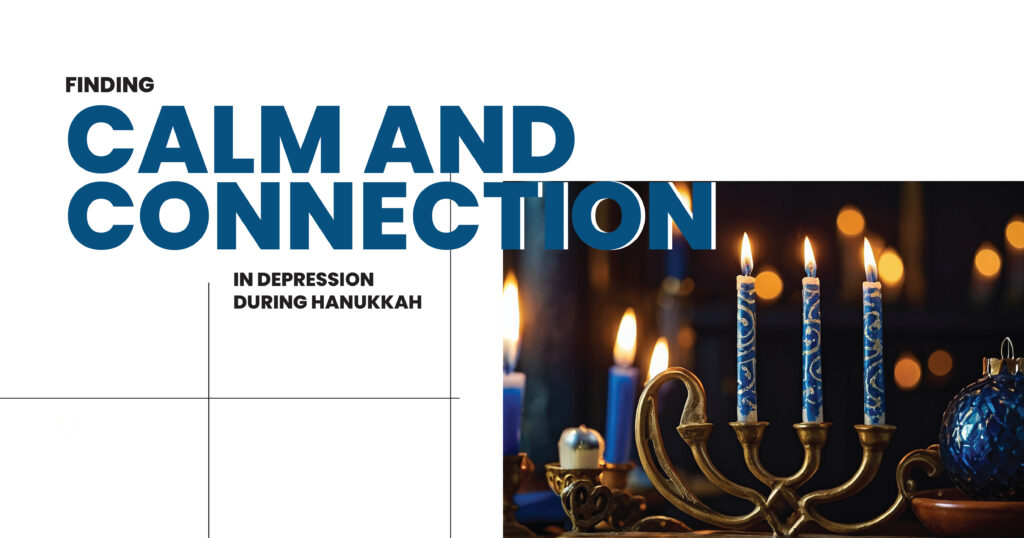
Hanukkah is valued because it is full of light, warmth, and rituals of unity. However, to most of us, the holiday season is not always associated with happiness. Moods of sadness, alienation, or immobilization can increase, and one is not able to enjoy the celebration as other people suggest. Their experience is very real, no matter whether one is going through the season of depression on the day of Hanukkah, the loss of a loved one, or is bearing the burden of seasonal melancholy – and it is even more widespread than they might suppose.
Research indicates that one in every three adults stated that they felt more sad or stressed during the winter holidays, and the same strains are evident among the Jewish communities. Isolation, emotional burnout, family demands, and unresolved grief may seem tinged when they are among the celebrations. The blog explores the emotional aspects of Hanukkah and offers practical advice to find tranquility, attachment, and support.
Understanding Depression During Hanukkah
Depression is quite quiet, but it is marked by the absence of any motivation, emotional fatigue, or a sense of not being associated with joy. This is also enhanced by the fact that the culture insists on celebrating, and this may be isolating people even more. Many people feel guilty that they were not able to do the holiday justice, although depression is not something that can be overcome by inspiration.
Recognizing Emotional Struggles and Holiday Loneliness
The causes of encountering loneliness during holidays could be many, including being separated from family, differences in a relationship, bereavement, or even the feeling that the individual does not share the general interests of the other people.
It is worth being aware that almost 1 out of every four adults claims increased symptoms of depression in December before going through typical emotional experiences.
Some of the typical emotional conflicts that happen on Hanukkah are:
- Loss of social identity with family or culture.
- Feeling depressed even in the holiday mood.
- Fearing failure to be happy or involved.
- Difficult with interest in festivals.
- Between being lost in crowds, obligations, or noise.
- Heightened sensitivity to grief or memories.
These are regular experiences- and the recognition of it opens a space where one can be compassionate as opposed to judging oneself.
The Link Between Seasonal Affective Disorder and Hanukkah Depression
Seasonal Affective Disorder (SAD) is a type of depression that is caused by a lack of sunlight, shorter days, and low temperatures. The timing of Hanukkah is, of course, always during the winter and hence the overlapping of the peak SAD symptoms. The shift in light rhythms influences serotonin, melatonin, and energy, which makes emotional difficulties more severe.
How Winter Darkness Intensifies Emotional Challenges
The mood and sleeping patterns that change in winter make being depressed during Hanukkah even more of a burden. To start with, before examining the effects of these changes on mental health, it is valuable to mention that SAD occurs in about 5 percent of the population.
How winter darkness exacerbates emotional tension:
- Less sunlight produces less serotonin and a lower degree of mood.
- Increased nights interfering with sleep.
- Lower temperature conditions hinder exercise and mobility.
- Distancing oneself and becoming more isolated.
Coping With Grief and Honoring Loved Ones During Hanukkah
Holidays are equally prone to be more full of grief, especially those based on light, memory, and miracles. Irrespective of the age of loss, Hanukkah may bring up sentiments of lacking traditions, family members, or mutual events. It is not a time-related process of grieving, and the holiday may make one notice an empty table that cannot be ignored.
Finding Comfort in Rituals and Remembrance
The presence of rituals can make the bereaved find relief and fellowship despite the challenge of grief.
Some of the activities of honoring the loved ones in Hanukkah include:
- Lit up a candle in their honor.
- Exchanging thoughts on them, or recipes about them.
- Taking the time to consider lighting candles.
- Having a celebratory song or prayer among the favorite ones.
- Providing a memory spot, a note, a blessing, or a photo.
- Giving oneself room to feel as opposed to locking it up.
Managing Holiday Stress and Family Expectations
Hanukkah is an occasion that may offer happiness, yet it may cause some stress, including event organization, getting together, meeting expectations, or having to negotiate family dynamics. It is reported that vacation duties add stress to many, as much as 40 percent, and they end up feeling emotionally depleted.
Establishing boundaries and prioritizing personal well-being are not self-centered but necessary.
Creating Boundaries and Prioritizing Self-Care
Self-care enables one to take a step to re-establish oneself when the intensity of holidays gets too overwhelming. It is worthwhile to understand before examining the basic but significant self-care strategies that boundaries provide room to have emotional safety.
The self-care plans and boundary-setting concepts involve:
- Graciously saying no to overwhelming events.
- Arranging more modest and noisy events as they occur.
- Sharing emotional needs with close relatives.
- Planning the breaks between meetings.
- Providing achievable expectations of participation.
- Grounding techniques can be practiced prior to or after events.
Healing, Hope, and Support With Visalia Recovery Center
Hanukkah depression can make a person feel lonely, yet treatment can be achieved by being connected and having professional assistance.
Visalia Recovery Center provides a welcoming and predictable environment to any individual who experiences emotional breakdown, isolation, or depression during Hanukkah and the rest of the holiday season. The team assists clients in achieving grounding, clarity, and the feeling of connection during heavy seasons of the year through the use of individualized therapy, grief support, and evidence-based treatment of seasonal depression.
Visalia Recovery Center is the ideal destination for those seeking personalized care.
FAQs
What are some ways to address depression during Hanukkah and find calm and connection with others?
Relating with friends or family that support you, attending community events at a speed that is comfortable to you, and grounding rituals when lighting candles can alleviate holiday depression. A sense of serenity can also be formed by emotional validation and the establishment of feasible expectations.
How can Jewish mental health resources provide support for those experiencing holiday loneliness during Hanukkah?
Jewish mental health provides culturally sensitive counseling and support groups, and spiritual guidance to support emotional issues of Hanukkah. These tools assist people to feel noticed, encouraged, and attached to their traditions and society.
What strategies can help in coping with grief and honoring loved ones during Hanukkah?
Lighting a candle to honor, telling stories, and individual rituals enable grief to be honored and the memory of the lost ones to be respected. These rituals combine gentleness and custom, and allow one to feel a part of even loss.
How do seasonal affective disorder and depression intersect during Hanukkah, and what can be done to manage these feelings?
The symptoms of SAD always become more pronounced during Hanukkah because days are darker and colder, and emotional issues become more prominent. Mood and energy can be stabilized by light therapy, more outdoor activities, and supportive counseling.
What are effective self-care practices during Hanukkah to manage family expectations and holiday stress?
It is possible to safeguard the emotional state by setting boundaries, streamlining parties, participating in silent ceremonies, and planning rest. Self-care will make it less stressful and make Hanukkah a more pleasant and meaningful holiday.